

Kitchen updates that add the most value aren’t always the biggest ones. Refreshing dated cabinets and countertops, then addressing practical issues, can improve buyer appeal without a full renovation. The return depends on the home and local market, so aim for a coordinated design that suits a broad range of buyers.
A complete remodel isn’t automatically the surest way to increase resale value. Buyers also notice whether a kitchen feels clean, functional, and easy to imagine as their own. In California, Las Vegas, and northwest Arizona, neutral cabinet colors, durable countertops, and useful lighting can help create that welcoming impression.
This guide explores cabinet and countertop updates, the kitchen features Arizona buyers may value, and ways to coordinate improvements so they work together. You’ll also see why matching the scope of the project to your home and resale plans can help you make thoughtful choices instead of spending on upgrades that don’t fit.
Key Takeaways
- Refresh sound cabinets with a suitable finish or updated hardware before deciding whether full replacement is necessary.
- Choose durable, easy-to-maintain countertop materials that complement the cabinets and suit the home’s overall style.
- Use layered kitchen lighting, including task lighting, to make work areas more functional and bring attention to key surfaces.
- Consider dated flooring and appliances as part of the overall impression, and prioritize improvements that fit the home and resale plans.
- Coordinate cabinet styles, countertops, lighting, and storage for a consistent look; professional kitchen design can help bring those choices together.
1. Cabinet refacing and painting
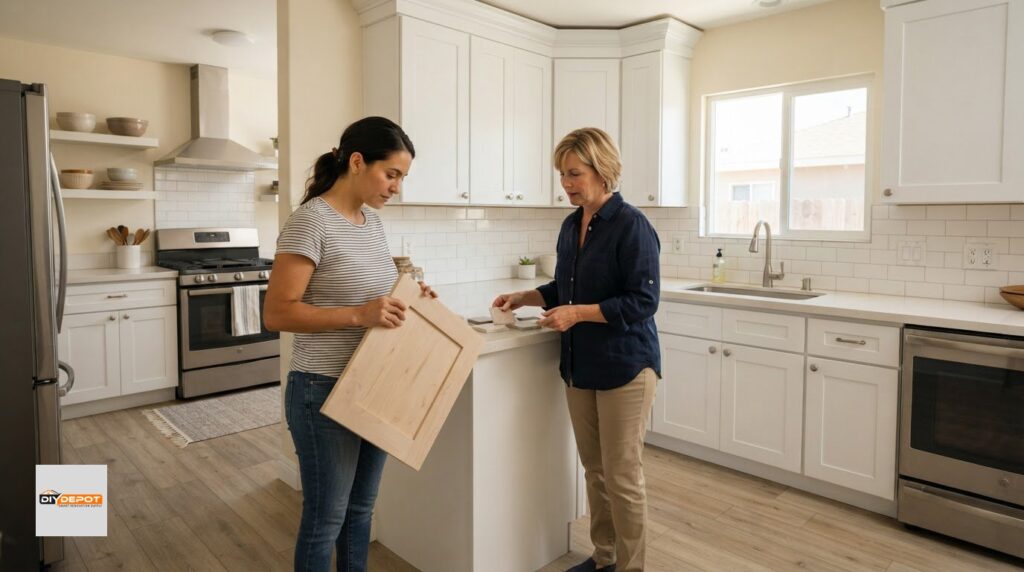
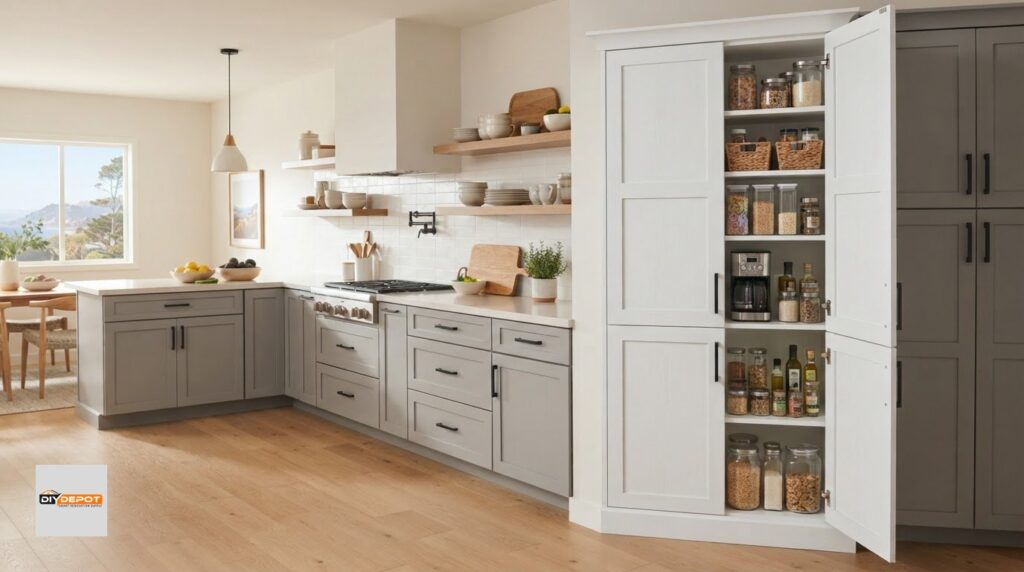
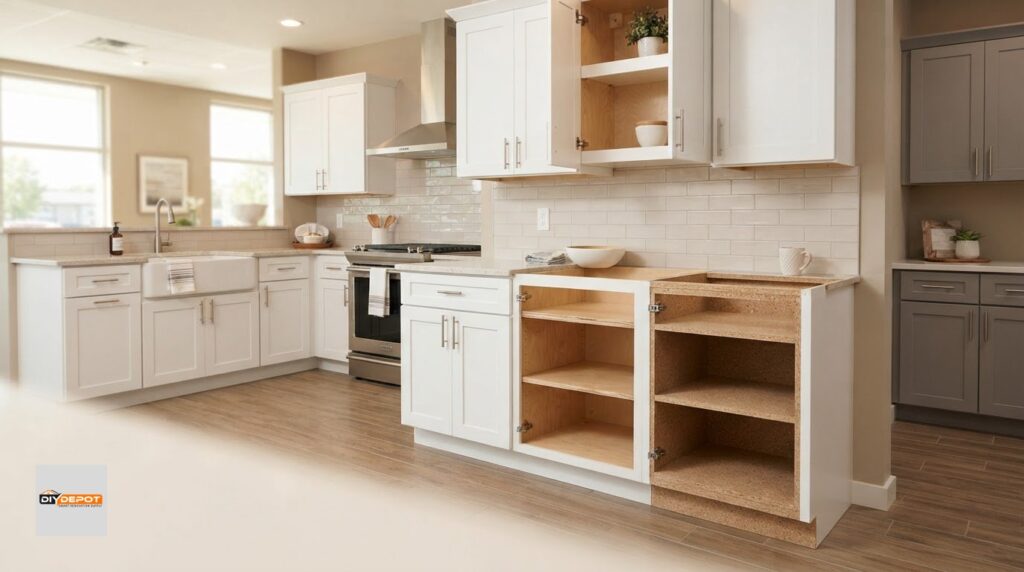
Cabinet doors and drawer fronts shape much of a kitchen’s appearance, so refreshing them can change the room without replacing every cabinet box. First check that the boxes are solid, square, and free of moisture damage. If they’re in good shape, painting, restaining, or refacing may make more sense than full replacement. If they’re damaged or the layout no longer works, replacement can improve function as well as appearance.
Painting works best when cabinets have sound surfaces but dated color. Clean and prepare each surface carefully, then use paint designed for cabinetry. It’s made for doors and drawers that are handled often. Neutral shades such as white, gray, and beige can appeal to a wider range of buyers than highly personal colors.
Restaining may work when the wood grain is visible and the existing finish can be prepared for a new stain. Test the shade in a hidden spot first, since wood species and old finishes can affect the result. Refacing replaces visible doors and drawer fronts while keeping suitable cabinet boxes, updating the style without changing the layout.
Hardware is a smaller-scale refresh. New knobs or pulls can coordinate with a faucet, but measure the existing hole spacing before buying replacements. That makes it a practical update when the cabinets work well but look dated.
Painting and new hardware are distinct kitchen upgrades, but they work best when the finish, color, and metal tones feel intentional. For instance, simple pulls can complement white cabinets, while a consistent finish across cabinet hardware and faucet keeps the room visually cohesive. Minor updates such as paint, hardware, and lighting typically recoup 70-80% of their cost.
Under-cabinet LED lighting can brighten counters and highlight a backsplash. Plan its placement alongside cabinet work so wiring and fixtures don’t interrupt the finished look. A cosmetic refresh may suit a kitchen with sound cabinet boxes; a remodel involving layout changes or worn cabinetry may call for replacement instead.
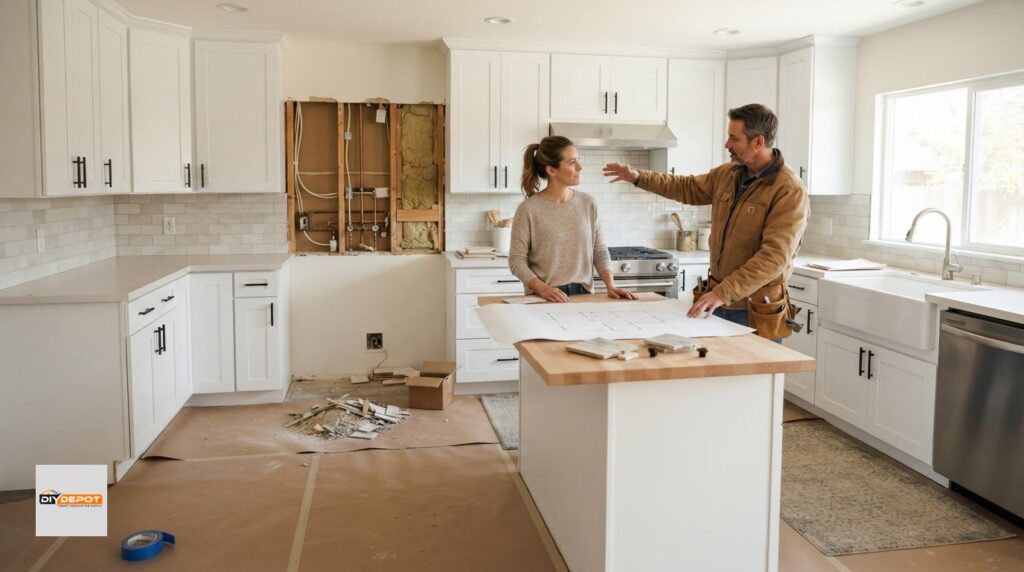
Permit and building-code requirements depend on the project and local Arizona jurisdiction. Cosmetic work such as painting or changing hardware is different from changes to electrical, plumbing, ventilation, or walls, which should be planned around applicable local requirements.
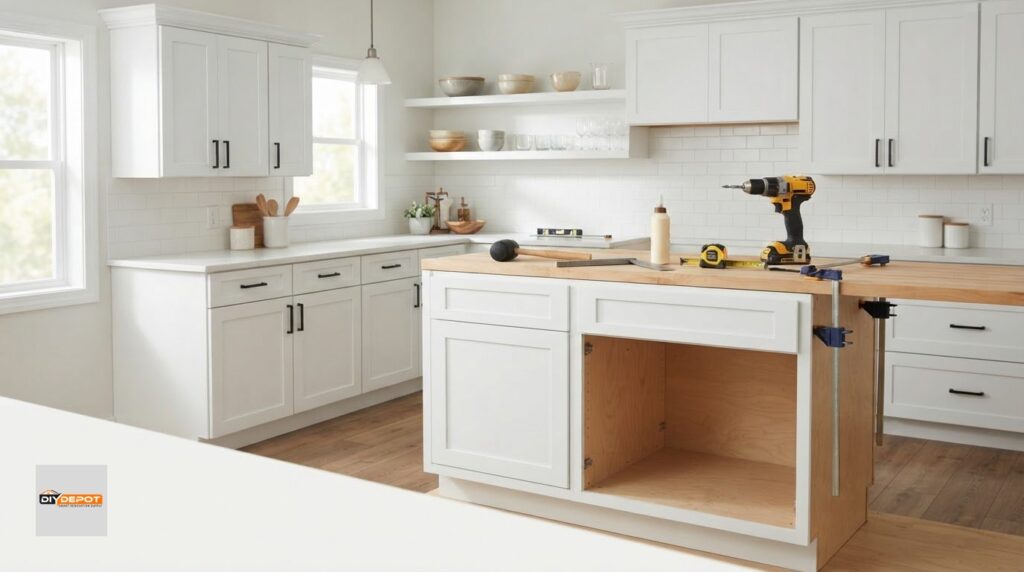
DIY painting can leave brush marks, uneven coverage, or poorly prepared surfaces. Cabinet replacement also involves measuring and installation risks. Electrical, plumbing, and structural work can raise safety and code concerns, so use appropriately licensed professionals where required locally.
2. Countertop replacement
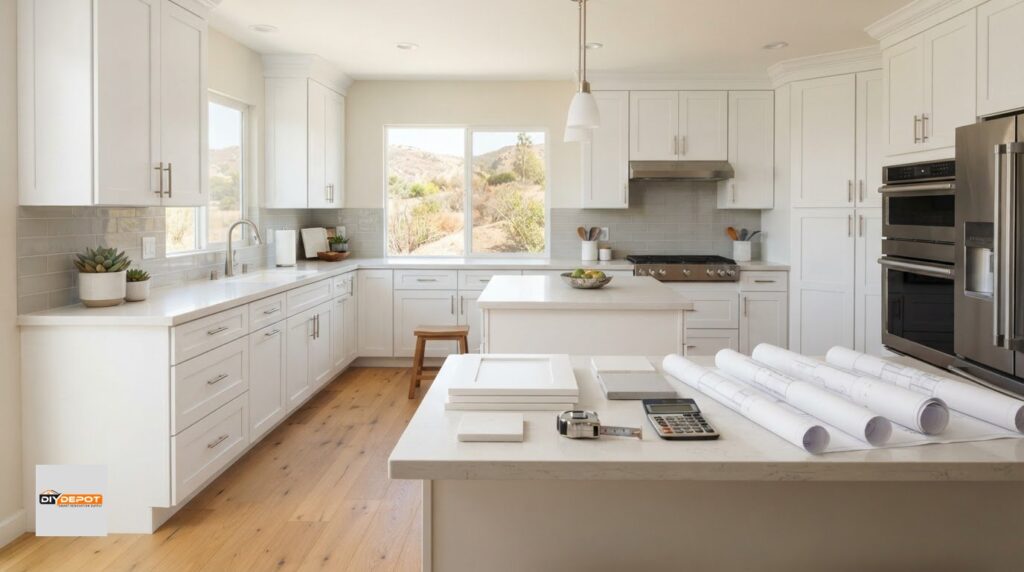
A new countertop can refresh a dated kitchen, but material and surface area shape the investment. Measure the counters separately from the backsplash, then note sink cutouts and edge details. A 30-square-foot countertop area is about 14 feet of counter length. Quartz can cost $75 to $125 per square foot and has a reported 68% return on investment. Those figures offer a planning reference, not a prediction for an individual home.
Quartz and granite are common choices for balancing durability, upkeep, and buyer appeal. Quartz is non-porous and stain-resistant, which can simplify everyday cleaning. Granite has natural patterns, so slabs can vary in color and veining. Marble is another durable option, though its appearance and care needs may suit some households better than others. Choose a material for how the kitchen is used, not just how a sample looks.
Countertop finish affects both appearance and everyday use. A polished surface reflects light and can make a small kitchen feel brighter; a honed finish looks softer and less reflective. Compare samples beside the cabinets and under the room’s lighting. A warm-toned counter may complement cream cabinets, while a cooler surface can pair with gray. Consider how seams, edges, and sink cutouts will look together.
For quartz, review the full slab or a large sample when possible. Small samples may not show how veining runs across a longer counter. A simple pattern can work well with patterned cabinets or a detailed backsplash; a distinctive slab can become the focal point. Include the island, if there is one, in the same design decision.
Common kitchen update costs depend on scope and selections: countertop area, cabinet condition, flooring material, and appliance type all affect the project total. For countertops, the listed range is $75 to $125 per square foot; refacing, flooring, and appliances vary with their materials and work involved.
Before replacing a countertop, confirm measurements and note appliances or fixtures that affect the layout. Record the sink position, faucet holes, overhangs, and corners that need a template. These details help prevent fit problems and make installation planning more precise. If the new surface changes the sink or faucet setup, include those connections in the project plan.
A countertop supports resale appeal when it looks cared for and suits the rest of the room. Choose a practical finish, coordinate its color with the cabinets, and avoid a dramatic surface that clashes with fixed features. Buyers see the whole kitchen, so a well-matched countertop makes the update feel considered rather than isolated.
3. What Kitchen Features Do Arizona Buyers Value Most?
Lighting affects how a kitchen works and how its surfaces look. In homes across California, Las Vegas, and northwest Arizona, a dim work area can make meal preparation less comfortable, while a well-lit counter is easier to use. Plan lighting around specific tasks first, then choose fixtures that create a warm, balanced look.
Layer three types of light: ambient lighting for the room, task lighting for work areas, and accent lighting for visual interest. Recessed ceiling fixtures can provide general light, while under-cabinet LED strips brighten counters. Pendant lights over an island add a focal point and define the gathering area.
Under-cabinet LEDs can also highlight the backsplash and countertop after dark. Place strips where they illuminate the main preparation surface without shining directly into someone’s eyes. Pairing them with a suitable dimmer lets the kitchen shift from bright task lighting to softer evening ambience.
Fixture placement affects usefulness and project scope. Keeping existing locations avoids moving the lighting plan around the room. A new pendant above an island can make sense when the current fixture leaves that surface dim.
Hardware and faucet details help complete an update. Choose cabinet pulls that coordinate with the faucet finish instead of mixing several competing metals. Keeping the same faucet setup, such as a one-hole faucet, is the easiest and most budget-friendly replacement approach.
Regional kitchen remodel costs and resale returns vary with local labor, material choices, home prices, and buyer expectations. Arizona projects should reflect the property’s neighborhood and comparable homes, rather than relying on a national average to predict resale value.
For a practical lighting plan, identify darker zones before choosing fixtures. A sink may need focused light, while an island may benefit from pendants and nearby recessed lighting. LED bulbs are a useful choice for long-lasting, energy-efficient kitchen lighting. Keep fixture styles consistent with the cabinets and countertops for a finished appearance.
These upgrades can create a clean, functional impression in listing photos and during showings. Don’t choose fixtures solely because they look modern in a showroom. A large pendant can overwhelm a compact kitchen, while modest recessed lights and under-cabinet LEDs can improve visibility without crowding the room.

4. Does a Kitchen Remodel Increase Home Value?
A kitchen remodel can support home value, but the return depends on its scope and the home’s market. Kitchen upgrades typically return 52% to 80% of their investment. For resale, prioritize worn or dated features buyers notice, such as flooring and appliances, before adding costly extras. Speaking with residential property specialists, such as SKREALTORS Real Estate, can also provide insight into the presentation details that local buyers prioritize most.
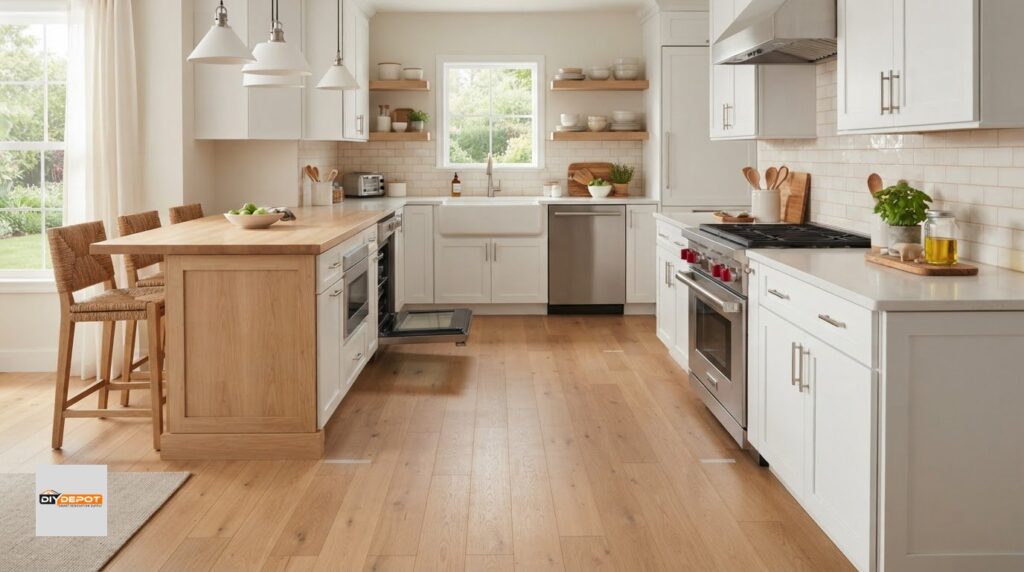
Flooring can change the kitchen’s overall impression. Hardwood and luxury vinyl tile are popular choices for warmth and durability. Hardwood or wood-look flooring is also the type most requested by today’s home buyers. Match the floor’s tone to the kitchen’s fixed finishes, including cabinets, backsplash, and countertop, to create a connected design rather than a series of separate updates.
Replacing flooring makes more sense when visible wear distracts from the rest of the room. A fresh floor can balance white cabinets and a quartz counter, for example, while a strongly patterned option may compete with a detailed backsplash. Waterproof vinyl and wood flooring offer practical options for kitchens where spills and regular cleaning are part of daily life.
Appliance replacement can also help when existing units look dated or show obvious wear. Stainless steel remains a familiar resale choice: according to Houzz’s 2026 Kitchen Trend Study, 72% of homeowners chose stainless steel appliances during kitchen renovations. A coordinated set creates a more consistent appearance than mismatched finishes, especially in listing photos.
Energy use is another factor to weigh. Energy-efficient appliance packages cost $4,500 to $8,000 and return 71% of their cost. They can also cut utility bills by $200 to $400 annually. Mid-range models return 71% of their cost, compared with 57% for premium appliances, so high-end features don’t automatically improve the resale case.
Some specialized features may suit the current household but narrow buyer appeal. Built-in nugget ice makers and espresso machines, for example, may be viewed as items to remove. Choose appliances for useful everyday functions instead, such as an efficient dishwasher; water-efficient dishwashers use under 4 gallons per cycle.
Layout affects how buyers experience even attractive finishes. Keep the refrigerator, stove, and sink arranged for practical workflow, and avoid moving appliances just to follow a trend. If the kitchen already functions well, replacing a worn appliance or floor may make more sense than changing the layout.
To support resale value, connect flooring and appliance choices to the broader kitchen design. Choose colors and finishes that work with the cabinets, countertop, and backsplash, then address the most visible wear first. A coherent update can make the room feel cared for without adding highly personalized features a future buyer may want to change.
5. Coordinating updates for value
A coordinated renovation makes separate improvements feel like one considered design. Before choosing finishes, identify fixed elements that will remain, such as the floor, cabinet boxes, or backsplash. Then choose a shared palette for new surfaces and hardware. For example, warm cabinet tones, a simple backsplash, and granite with compatible veining create a clearer connection than competing patterns.
Plan decisions in sequence to avoid reworking choices. First settle the cabinet color and door style, then select the countertop, backsplash, and hardware. Finish with lighting and smaller details. White cabinets, for instance, can pair with a restrained countertop and one accent finish. Repeating that finish on pulls and a faucet can unify the room without matching every surface exactly.
Balance open shelving with closed cabinets to combine display space and everyday storage. Keep frequently used dishes in closed cabinets, and reserve open shelves for a few coordinated pieces rather than a crowded collection. A drawer divider or pull-out organizer can improve storage while keeping counters clear.
Use contrast with intention. If granite has pronounced movement, simpler cabinet colors and a quieter backsplash let the stone stand out. If the countertop is understated, a distinctive light fixture, refined wall texture, or small backsplash detail can add character. For homeowners exploring bespoke surface treatments, looking at architectural examples like Venetian plaster installation London illustrates how artisan wall finishes can introduce tactile elegance without overwhelming the room. Classic, versatile choices can support broad buyer appeal, while a limited accent lets the kitchen retain personality.
Consider how the coordinated choices look from the doorway and in listing photographs. A consistent palette helps buyers see the kitchen as one complete space, while mismatched finishes can make even newer items seem disconnected. Check the sightline across cabinets, counters, and flooring. A dark floor, for example, may need lighter cabinet and wall tones to keep the overall look balanced.
Set renovation priorities based on condition and resale plans. Address visible wear first, then spend on improvements that complement those repairs. Avoid adding a feature that clashes with a recently updated surface. Coordinating drawer hardware, countertop edges, backsplash, and lighting can make modest changes feel intentional without expanding the project unnecessarily.
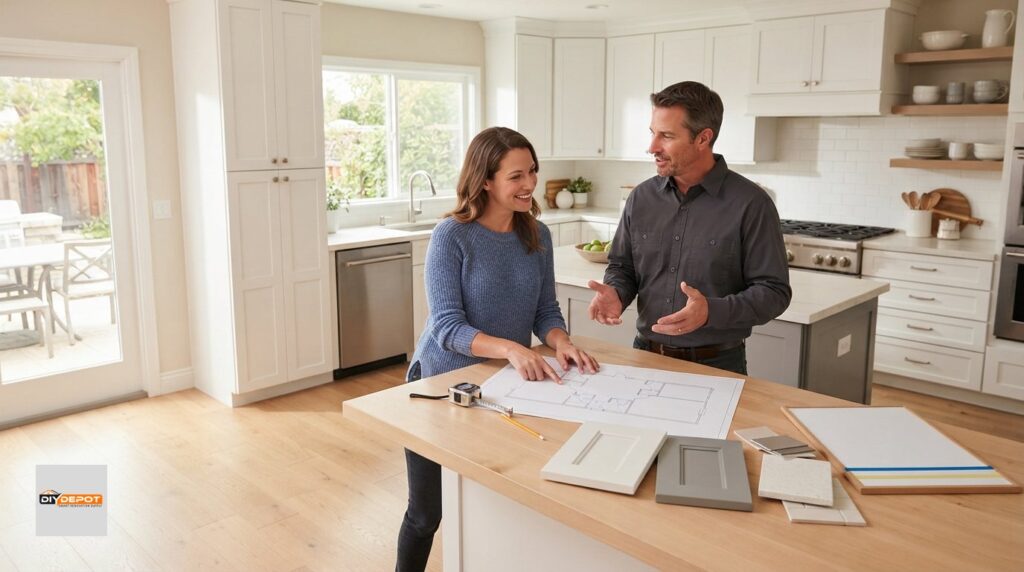
For a cohesive plan across cabinet styles and finishes, book a kitchen design appointment.
DIY Depot: Professional Kitchen Design
DIY Depot helps homeowners bring cabinet choices and kitchen plans together through Professional Kitchen Design. If you’re weighing a cabinet refresh against replacement, design support can help organize decisions around the room’s layout, storage needs, and the finishes you want to coordinate. Base Shaker Cabinets and Wall Shaker Cabinets can serve different storage needs, while Vanity Shaker Cabinets are another available option for a bathroom project.
If you have several updates in mind but want a clearer plan, a design discussion can help narrow cabinet choices before the renovation moves ahead. That gives the project a more consistent direction.
For help planning your kitchen, contact DIY Depot.
Plan a Kitchen Update With Resale in Mind
Turn your ideas into a plan that fits your home, priorities, and likely buyer. Kitchen updates that add the most value aren’t necessarily the most extensive; they make the space feel cohesive and work well for everyday use. Before committing, decide which features should stay, what needs attention, and how each new choice will relate to the others.
A clear design direction makes decisions easier. Consider how cabinet style, storage, and the room’s layout work together before settling on individual finishes. With a plan in place, you can focus on improvements that suit your goals rather than making disconnected choices.
DIY Depot offers professional kitchen design to help bring cabinet decisions and your project vision together. Contact DIY Depot about your kitchen and take the next step toward a thoughtful update.
Frequently Asked Questions
Does a Kitchen Remodel Increase Home Value?
A kitchen remodel can increase home value when it addresses visible wear or improves daily function. Start with the condition buyers will notice, not the project’s size. For example, replace damaged flooring before upgrading an appliance that works well. Keep the scope in line with nearby homes, since a high-spec kitchen can exceed local buyers’ expectations.
How Do Minor Kitchen Updates Compare to Major Renovations?
Minor updates address specific problems, while major renovations change several parts of the room or its layout. A focused project suits a kitchen with functional cabinets and a workable arrangement but dated finishes. A broader renovation may fit a space with multiple issues, such as poor storage and an awkward work area. Define the problem first, then choose the smallest scope that solves it.
How important are matching appliances?
Matching appliances create a more consistent look, especially when several units sit together in an open kitchen. Finish matters, as do visible details such as handles, control panels, and proportions. Before replacing one unit, compare its appearance and dimensions with the others. A coordinated set helps the room feel planned without requiring every appliance to be the same brand.
Should I change my kitchen layout for better resale value?
Change the layout when doing so creates a clear improvement, such as making a cramped preparation area easier to use. If the sink, stove, and refrigerator already support a smooth routine, keeping them in place avoids unnecessary disruption. Consider where people enter, prepare food, and gather. A layout change should solve a practical problem, not simply make the kitchen look different.
What single kitchen upgrade adds the most value?
No single upgrade leads in every kitchen. If cabinets are visibly worn, refreshing or replacing them can make a substantial visual difference because they shape the room’s overall impression. If they’re in good condition, another improvement may deserve priority. Choose the update that addresses the most noticeable weakness and suits the home’s overall level of finish.
Which Kitchen Upgrades Deliver the Highest ROI in 2026?
In 2026, focus on upgrades that solve visible problems and improve everyday usability. A dated kitchen with worn surfaces calls for different work than one with poor storage or dim work areas. Set priorities by comparing the home’s condition with similar nearby properties and avoid adding features that don’t address a clear need. The best project is the one with a sensible scope for the home.
Which Kitchen Upgrades Give You the Best Return on Investment?
Updates with the strongest return usually address an obvious drawback without taking the renovation beyond the home’s market. Consider what buyers will notice first in photos and during a walkthrough: damaged finishes, awkward storage, or dated fixtures. Then weigh the full project scope against its likely benefit. A polished, practical room often makes a stronger impression than expensive features chosen for personal taste.
Which kitchen updates add the most resale value in the U.S.?
Across the U.S., kitchen updates that add the most value improve the room’s condition, function, and cohesion for its local market. Buyers respond to a space that feels cared for and easy to use. Homeowners in California, Las Vegas, and northwest Arizona should consider local preferences and comparable homes rather than assume the same finishes suit every region. Prioritize clear improvements over highly personal details.