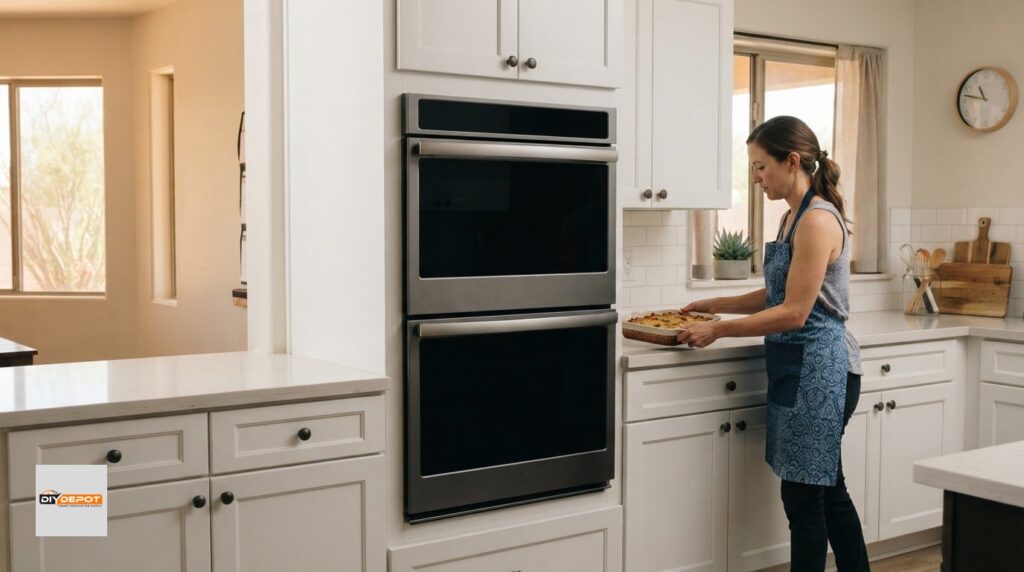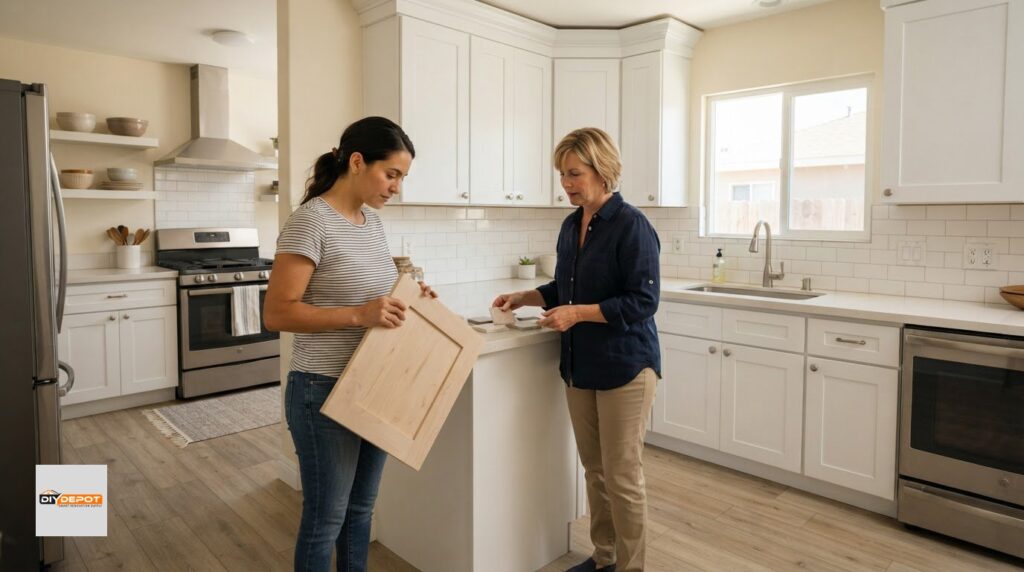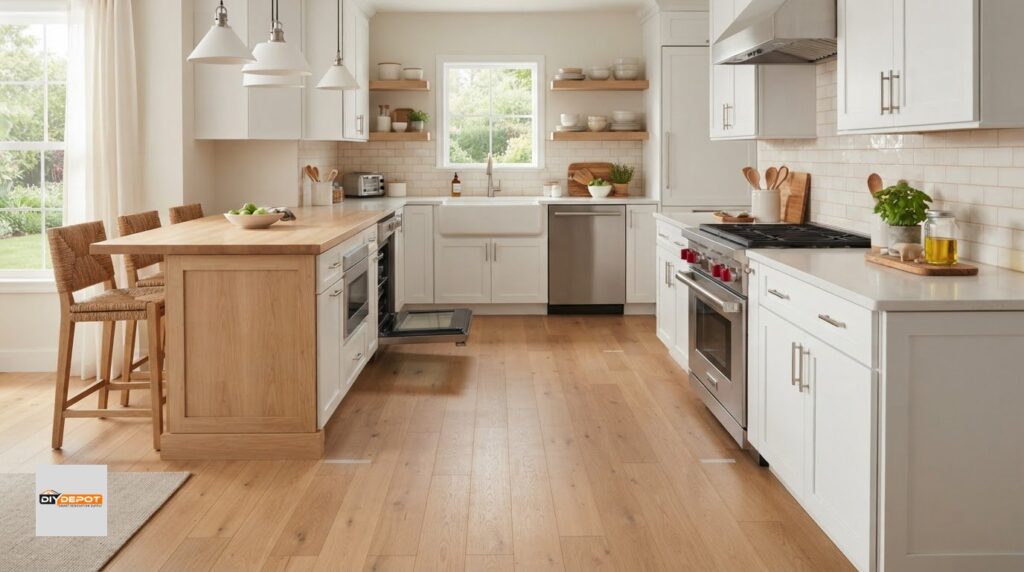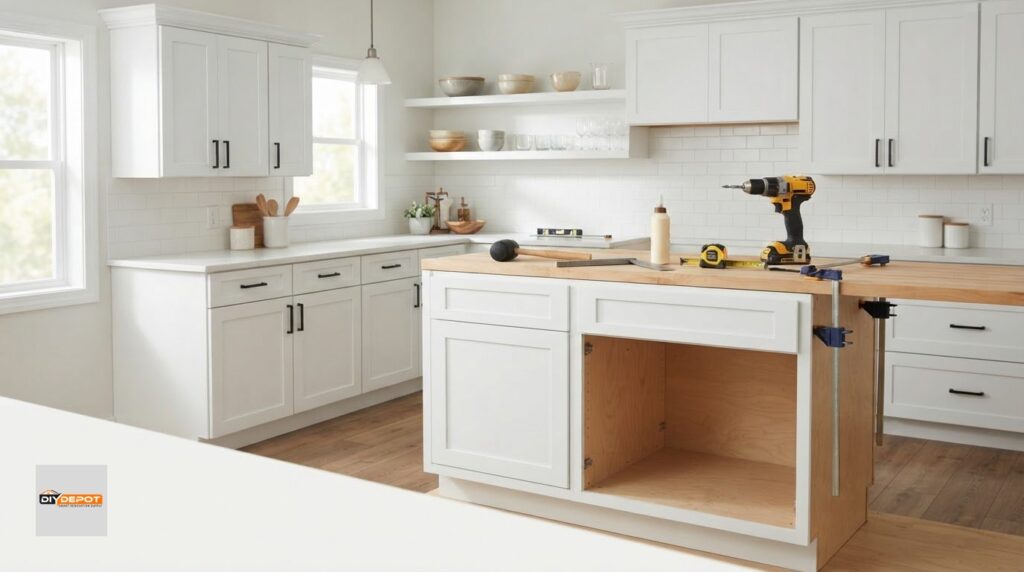

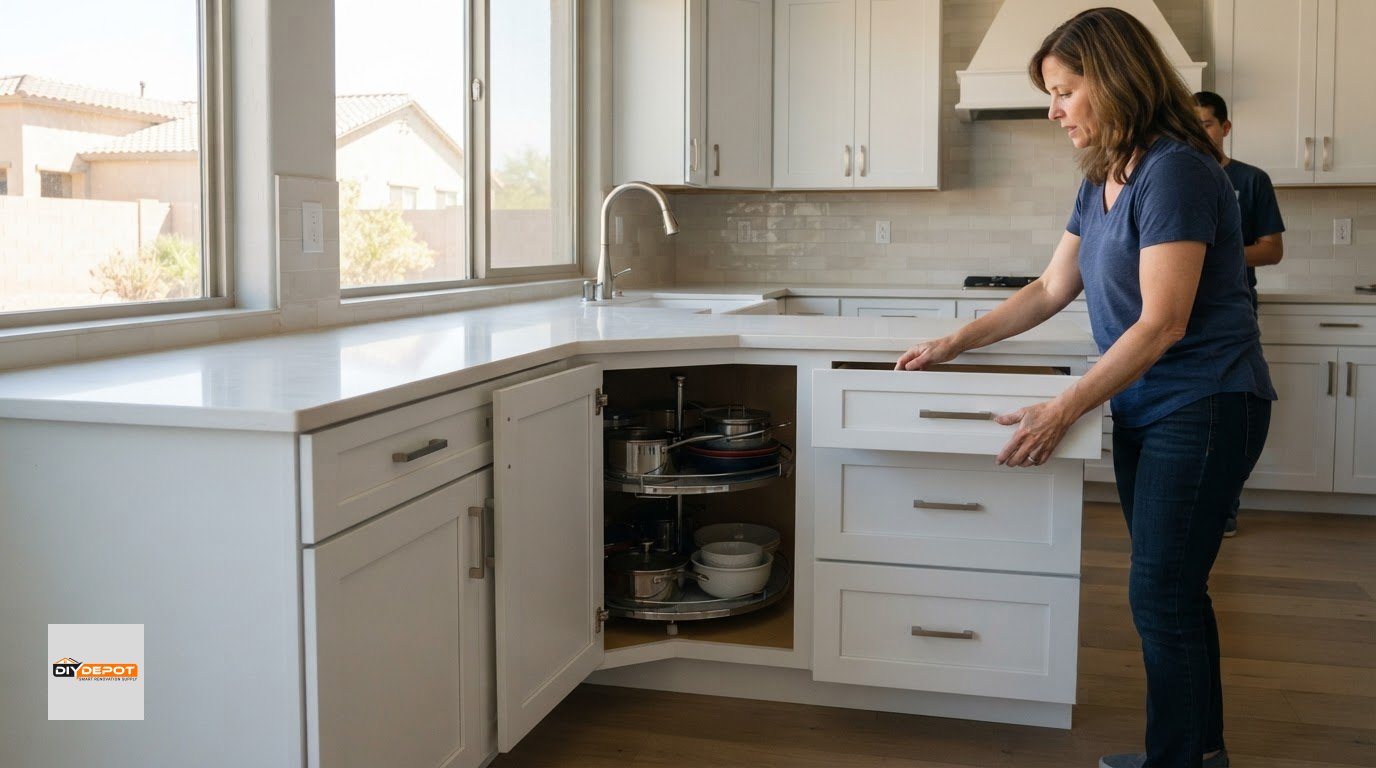
A polished cabinet look starts with the right fit, not just a fresh coat of white. White shaker cabinets have a five-piece door with a recessed center panel. A successful Phoenix remodel also depends on choosing suitable materials, matching cabinet dimensions to the room, and allowing doors to open freely.
It’s easy to focus on color and overlook details that affect everyday use. This guide explains what to look for in cabinet construction, how to compare dimensions and clearances, and how style and finish choices can shape a finished kitchen or bathroom.
You’ll also find a practical way to read customer reviews and separate useful details about fit, finish, and assembly from general impressions. By the end, you’ll have a clearer framework for planning your remodel and understanding the cabinet options that can support it.
Key Takeaways
- Compare cabinet construction details to understand what contributes to durability and everyday function.
- Plan cabinet placement around room dimensions and door-opening clearance to avoid fit surprises.
- Use customer reviews to look for practical details about assembly, finish, and how cabinets fit in real homes.
- Explore how the recessed-panel door style and finish choices can shape the look of a Phoenix remodel.
- Consider professional kitchen design and the right mix of base, wall, and vanity cabinets when planning your layout.
Cabinet construction materials
When comparing White shaker cabinets, separate each cabinet part before weighing materials. The face frame supports the front opening and provides a mounting surface for doors. Drawer boxes carry stored items, while shelves divide cabinet interiors. A white finish can make construction details less obvious, so review the materials listed for each part before choosing.
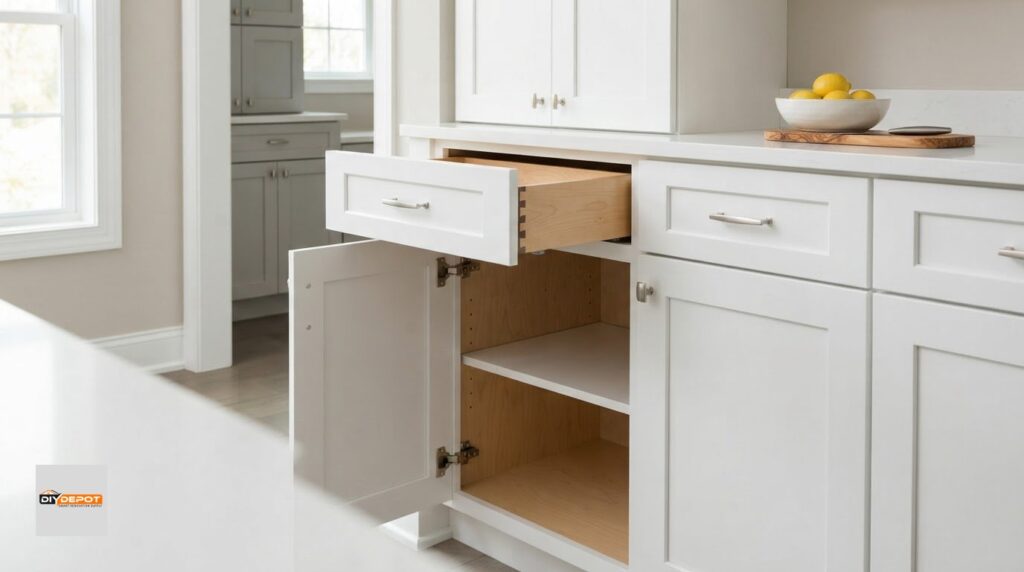
The Ice White Shaker line has a 3/4-inch solid birch face frame. Check how the frame meets the cabinet sides and how doors align with its edges. Those details help you assess the finished front, especially when several units sit beside each other. Compare the listed frame material with the cabinet’s other construction details.
Drawer construction deserves a separate review. This line has solid wood dovetail drawer boxes with 17 mm sides. Dovetail joints interlock at the corners, making their shape visible when you inspect the box. Drawer bottoms use 1/2-inch plywood. Compare the bottom and sides as distinct components, then consider the items you expect to store.
The cabinet interiors use plywood with wood veneer in two listed areas. Base cabinet bottoms are 3/8-inch A-grade plywood with wood veneer. Shelves are 3/4-inch A-grade plywood with wood veneer. These different thicknesses apply to different parts. Identify whether a specification describes a shelf or a base bottom before comparing models.
Hardware matters, too. The line has concealed 6-way adjustable hinges. Concealed hinges keep the outside face visually clear of exposed hinge hardware. Their adjustability supports door alignment during installation and later adjustments. Inspect how doors meet neighboring fronts, particularly across a continuous cabinet run.
The Ice White Shaker line is stated to be Greenguard Gold certified and EPA TSCA Title VI compliant. Treat these as specific product claims and review the certification and compliance details alongside the product information. A white color description alone doesn’t explain either status, so keep the product identity and its documentation together.
Finish chemistry is another detail to compare. According to the U.S. Environmental Protection Agency, kitchen cabinets are commonly finished with nitrocellulose for high-end products, and conversion varnish or conversion lacquer for most other products. These are common finish categories, not a universal formula. Read each product’s finish description alongside its construction details. When comparing White shaker cabinets, keep finish and material information distinct.
- Compare the frame, drawer box, bottom panel, and shelves separately.
- Match each material detail to the cabinet part it describes.
- Review hinge type, finish information, and product documentation together.
Cabinet dimensions and clearances
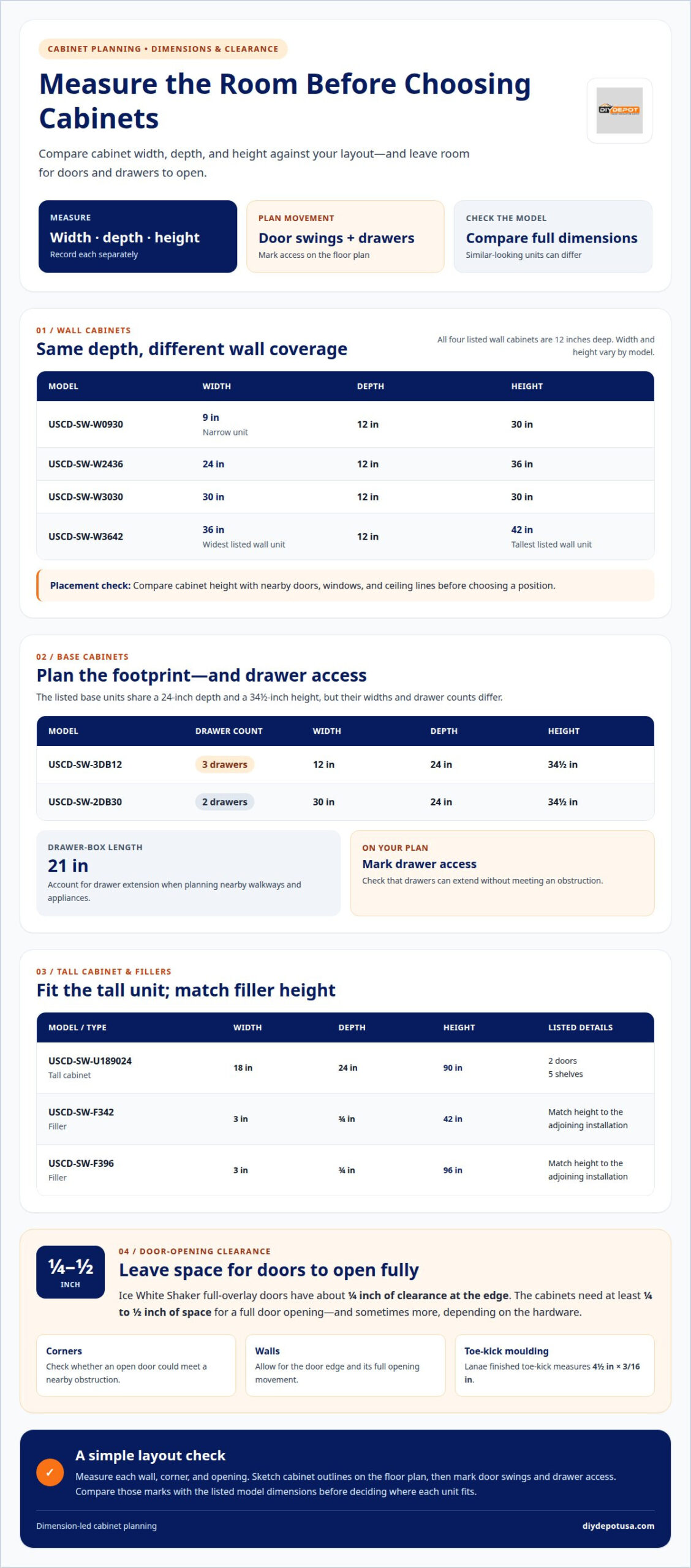
Measure each wall, corner, and opening before mapping cabinet positions. Record width, depth, and height separately. Then compare those measurements with the cabinet’s listed dimensions. A model number can help distinguish similar-looking units. For example, the USCD-SW-W0930 and USCD-SW-W2436 have different widths and heights.
The USCD-SW-W0930 white shaker wall cabinet measures 9 inches wide, 12 inches deep, and 30 inches high. The USCD-SW-W2436 measures 24 inches wide, 12 inches deep, and 36 inches high. Both are 12 inches deep, but their widths and heights change how they fit a wall run. Check the full dimensions, not width alone.
Other wall sizes offer different ways to fill a layout. The USCD-SW-W3030 measures 30 inches wide, 12 inches deep, and 30 inches high. The USCD-SW-W3642 measures 36 inches wide, 12 inches deep, and 42 inches high. Compare their height against nearby doors, windows, and ceiling lines before selecting a position.
Base cabinets need a separate floor-plan check. The USCD-SW-3DB12 has three drawers and measures 12 inches wide, 24 inches deep, and 34-1/2 inches high. The USCD-SW-2DB30 has two drawers and measures 30 inches wide, 24 inches deep, and 34-1/2 inches high. Ice White Shaker drawer boxes are 21 inches long. Account for drawer extension when planning nearby walkways and appliances.
Tall cabinets and fillers help resolve different layout needs. The USCD-SW-U189024 measures 18 inches wide, 24 inches deep, and 90 inches high. It has two doors and five shelves. The USCD-SW-F342 filler measures 3 inches wide, 3/4 inch deep, and 42 inches high. The USCD-SW-F396 is also 3 inches wide and 3/4 inch deep, but measures 96 inches high. Match filler height to the adjoining installation.
Door movement requires its own clearance. Ice White Shaker full-overlay doors have about 1/4 inch of clearance at the edge. These cabinets need at least 1/4 to 1/2 inch of space for a full door opening, and sometimes more depending on the hardware. Check corners and nearby walls where a door could meet an obstruction. Lanae finished toe-kick moulding measures 4 1/2 inches by 3/16 inch, a detail to account for when planning the cabinet base.
Sketch cabinet outlines on a measured floor plan, then mark door swings and drawer access. Compare model dimensions against those marks. Use cabinet size and dimension details and listings to assess options for your layout.
Customer reviews
Use customer reviews to learn what product descriptions can’t show: how a cabinet arrives, assembles, and fits into a finished room. For a Phoenix remodel, focus on comments about the same cabinet type and a similar project. A review about a bathroom vanity may offer limited insight into a full kitchen layout. Specific details are more useful than broad praise.
Start with the reviewer’s project context. Look for details about kitchen or bathroom use, cabinet placement, and installation conditions. A comment such as “the drawer felt smooth after assembly” gives you a clear point to assess. A sentence like “great cabinets” shares a positive impression but reveals little about fit or daily use.
Sort comments into practical topics before drawing conclusions:
- Condition on arrival: Note descriptions of packaging, visible damage, or missing components.
- Assembly: Look for comments about instruction clarity, part identification, and alignment.
- Fit: Find examples that describe cabinet placement, door movement, or neighboring surfaces.
- Finish: Notice whether reviewers describe the color under their room’s lighting.
- Support: Record what the reviewer says happened after raising a specific concern.
Compare repeated themes, not isolated reactions. If separate reviews mention the same assembly difficulty, treat it as a useful prompt for planning. One complaint doesn’t establish a pattern, and one glowing comment doesn’t prove every project will match. Check whether reviewers explain the issue and its outcome.
Photos can add context, but read captions carefully. A customer’s kitchen lighting, wall color, and phone camera can change how white cabinetry appears. Compare several images instead of judging from one photograph. Look at cabinet-door alignment and the overall installation, not just the room’s styling.
Timing matters when reading an older review. Product details, instructions, or purchasing experiences can change. Check the review date and compare its subject with the current cabinet description. A comment about a different model or an earlier version may not answer your question about the option you’re considering.
Keep a short review note beside your project plan. Record the cabinet type, the reviewer’s specific observation, and any question it raises. For example, a note about uneven doors can prompt you to examine installation and alignment details. This turns customer feedback into useful planning instead of a decision based on star ratings alone.
Reviews work best alongside measurements, construction details, and your room plan. Use them to identify practical topics worth examining, then assess each cabinet against the needs of your Phoenix remodel. A precise comment can help you ask better project questions, but a general rating can’t replace a careful comparison.
Shaker cabinet style and finish
Shaker design uses a five-piece door with a recessed center panel. That framed shape suits traditional and contemporary Phoenix kitchens. White creates a bright look, while the recessed panel adds visible depth. Compare the panel profile, frame width, and finish sheen together. White shaker cabinets can look different under warm lighting than beside daylight, so assess samples in the room itself.
Stock cabinets use set sizes and configurations. Semi-custom cabinets allow selected adjustments to standard options. Custom cabinets are made around project-specific dimensions and design choices. These terms describe different levels of choice. Compare actual dimensions and available options rather than relying on a label alone. For a remodel with fixed walls or unusual openings, layout flexibility may influence which category fits best.
Flat-panel doors have a smooth face without a frame around a recessed center. Shaker fronts add that framed border, while raised-panel doors bring the center outward for a more decorative profile. Each creates a distinct look. Compare samples beside existing trim or flooring to see which door profile suits the room’s other visible details.
There isn’t one standard cost per linear foot for white Shaker cabinetry. The total depends on construction, selected sizes and components, and what the project includes. A layout with several drawer units differs from one with mostly door cabinets. Compare estimates based on the same layout and included items instead of comparing a linear-foot figure by itself.
Choose countertop, backsplash, and hardware colors as a group. Warm white cabinetry can pair with natural wood, beige, or soft gray surfaces. Dark hardware adds contrast; brushed metal creates a quieter effect. A backsplash can echo the countertop or add a restrained pattern. Test samples together in the kitchen’s lighting before settling on the combination.
Shaker doors are practical to wipe because their broad faces are accessible. Dust and cooking residue can gather in the recessed panel’s inside corners. Clean the center, frame, and corners with a soft cloth and a gentle method suited to the finish. Dry the surfaces afterward, especially around seams and edges.
White finishes can make dirt, marks, and chips easier to notice than darker colors. Some finishes may yellow as they age, with light exposure and finish chemistry affecting their appearance. Color alone doesn’t predict how a cabinet will wear. Keep the finish-care guidance handy and address marks or chips with a method suited to the surface.
Before choosing, place a door sample beside the countertop, backsplash, and hardware. Check the combination from across the room, then look closely at the recessed corners. This helps you assess the overall style and details that affect cleaning. For White shaker cabinets, reviewing the sample in daylight and room lighting can clarify how the finish looks in your space.
What materials and finishes are used for white shaker cabinets?
Cabinet material and surface finish describe different parts of the product. The material forms the door, frame, or cabinet box. The finish covers visible surfaces and affects color, sheen, and cleaning needs. Compare those details separately when reviewing a cabinet specification, rather than treating “white” as a complete materials description.
Wood, plywood, engineered wood, and medium-density fiberboard are material categories used across cabinetry. Their roles can differ within one cabinet: the door, box side, shelf, and drawer bottom may not share the same material. Read the parts list for each model. For example, note whether a specification describes the door alone or the entire cabinet.
White appearance also depends on the surface coating and its sheen. A matte surface reflects less light than a glossy one; satin sits between those looks. These labels describe how light reflects, not the cabinet’s underlying material. Compare finish samples beside the room’s countertop and backsplash, since nearby colors can change how white appears.
Review a sample before settling on a finish. Place the door sample beside a countertop, backsplash tile, and floor material. View the combination in daylight and under the room’s installed lighting. Then check it against stainless steel appliances or dark hardware. This helps reveal whether the white reads warm, cool, or neutral in that setting.
Finish names alone don’t explain the coating chemistry. According to the U.S. Environmental Protection Agency, kitchen cabinets are commonly finished with nitrocellulose for high-end products, and conversion varnish or conversion lacquer for most other products. Treat this as a broad description of common finishes, not a specification for every cabinet. Use the product’s own finish description for comparisons.
Match the cleaning method to the surface. Use a soft cloth on a finished door, and avoid abrasive pads that can scratch coatings. For a recessed Shaker panel, wipe the flat center first, then clean the inside corners and outer frame. Dry the surface afterward, especially around seams and edges.
For Phoenix kitchens, consider how direct daylight reaches cabinet fronts. Compare a sample near a window and again in a shaded part of the room. Check the same sample against warm-toned flooring, pale stone, or a patterned backsplash. Keeping the lighting and surrounding finishes in view makes color comparisons more useful than judging a sample alone.
Before choosing, record the door material, box material, finish description, and sheen for each candidate. This side-by-side list makes differences easier to spot. To compare cabinet options alongside finish choices, browse cabinet selections.
DIY Depot: Base Shaker Cabinets
DIY Depot offers options to help turn your cabinet plan into a practical selection. Base Shaker Cabinets suit lower runs and storage needs, while Wall Shaker Cabinets add upper storage. Vanity Shaker Cabinets are an option for bathroom layouts. If you’re planning kitchen placement, Professional Kitchen Design can help organize cabinet choices around your room and priorities.
Bring your measurements, preferred door style, and notes about countertop or backsplash colors to the planning conversation. Those details make it easier to consider how cabinet types fit your remodel. A clear layout can also help you compare which areas need base, wall, or vanity cabinetry.
Contact DIY Depot to discuss your cabinet plans and next steps.
Turn Your Cabinet Plan Into a Room That Works
Move from inspiration to a clear cabinet plan. Decide which parts of the room need storage, then note your priorities, such as easy access, a consistent look, or room for everyday essentials. This gives your remodel a practical starting point instead of leaving every choice until installation planning.
White shaker cabinets can bring a cohesive look to a kitchen or bathroom, while the right cabinet mix supports how you use the space. DIY Depot offers Base Shaker Cabinets, Vanity Shaker Cabinets, and Wall Shaker Cabinets to address different storage needs.
Share your project goals and layout questions with the team as you narrow your choices. Contact DIY Depot about your cabinets and take the next step toward a room planned around your needs. A thoughtful plan makes it easier to move forward with confidence.
Frequently Asked Questions
What are white shaker cabinets?
White shaker cabinets have a white finish and Shaker-style fronts, and are used in kitchens and bathrooms. Their simple appearance can suit different room designs, while the cabinet type and layout determine how each unit serves the space. For example, a Phoenix kitchen might combine lower storage with wall units and a pantry area. Compare construction and finish details too, since the style name alone doesn’t describe every material or feature.
How can I measure and plan a kitchen for white shaker cabinets?
Sketch each wall and mark doors, windows, appliances, and plumbing. Measure the usable wall runs, noting corners and trim that interrupt cabinet placement. Add cabinet footprints to the sketch, then check that appliance doors and cabinet doors can open without colliding. In a Phoenix remodel, mark fixed features you plan to keep. Use the drawing to compare layout options before settling on a cabinet arrangement.
What are the best-rated brands for white shaker cabinets in the United States?
No single brand leads every rating platform; reviews can differ by retailer, cabinet line, and buyer experience. Compare the exact cabinet type on the same review platform, and look for consistent comments about product quality and order support. For a Phoenix project, include regional cabinet suppliers in your comparison alongside national brands. Treat star ratings as one useful signal, not a substitute for checking whether a product suits your layout and priorities.