
What if the secret to a high-end kitchen isn’t a bigger bank account, but a smarter way to allocate the funds you already have? Most homeowners approach a remodel with a mix of excitement and legitimate dread as they try to master a kitchen renovation budget breakdown. You likely worry about hidden costs lurking behind your drywall or the fear of over-improving for your neighborhood. It’s difficult to decide whether to invest in expensive custom work or look for high-value alternatives that don’t compromise on quality.
We understand that managing your finances can feel like a full-time job. You deserve a clear path that balances luxury finishes with financial sensibility. This guide promises to transform that anxiety into a concrete plan for 2026. You’ll discover how to use warehouse-direct shaker cabinets to anchor your room’s value while keeping your spending under control. We’ll show you how to prioritize the elements that offer the best return on investment.
By the end of this article, you’ll have a detailed percentage-based map for every expense and a practical checklist to track your progress. We’ll explore why professional design prevents the most expensive mistakes and how smart assembly choices help you reclaim your budget for the premium details you truly want. Let’s build a kitchen that looks like a million bucks without actually costing it.
Key Takeaways
- Apply the “Home Value Rule” to determine whether a cosmetic refresh or a full luxury remodel fits your property’s specific market value.
- Master your kitchen renovation budget breakdown by identifying the 30% allocation needed for cabinetry and the labor costs associated with professional craftsmanship.
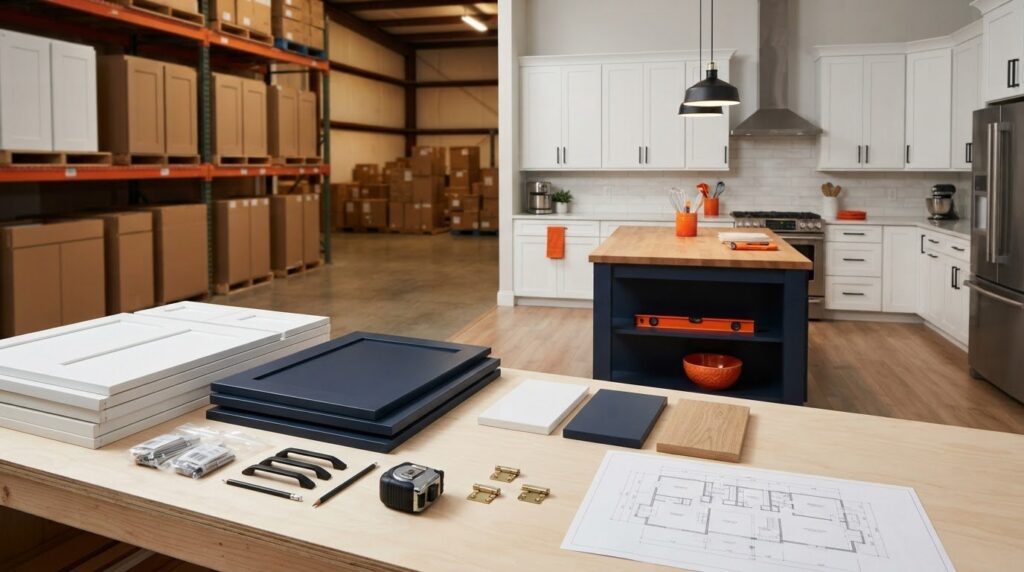
- Discover how warehouse-direct RTA shaker cabinets bridge the gap between affordability and high-end aesthetics without the typical retail markup.
- Leverage professional design support to eliminate costly measurement errors and keep your project on schedule.
- Follow a structured checklist to track expenses through every phase, from initial demolition to the final installation of your new cabinets.
Understanding the Kitchen Renovation Budget Landscape
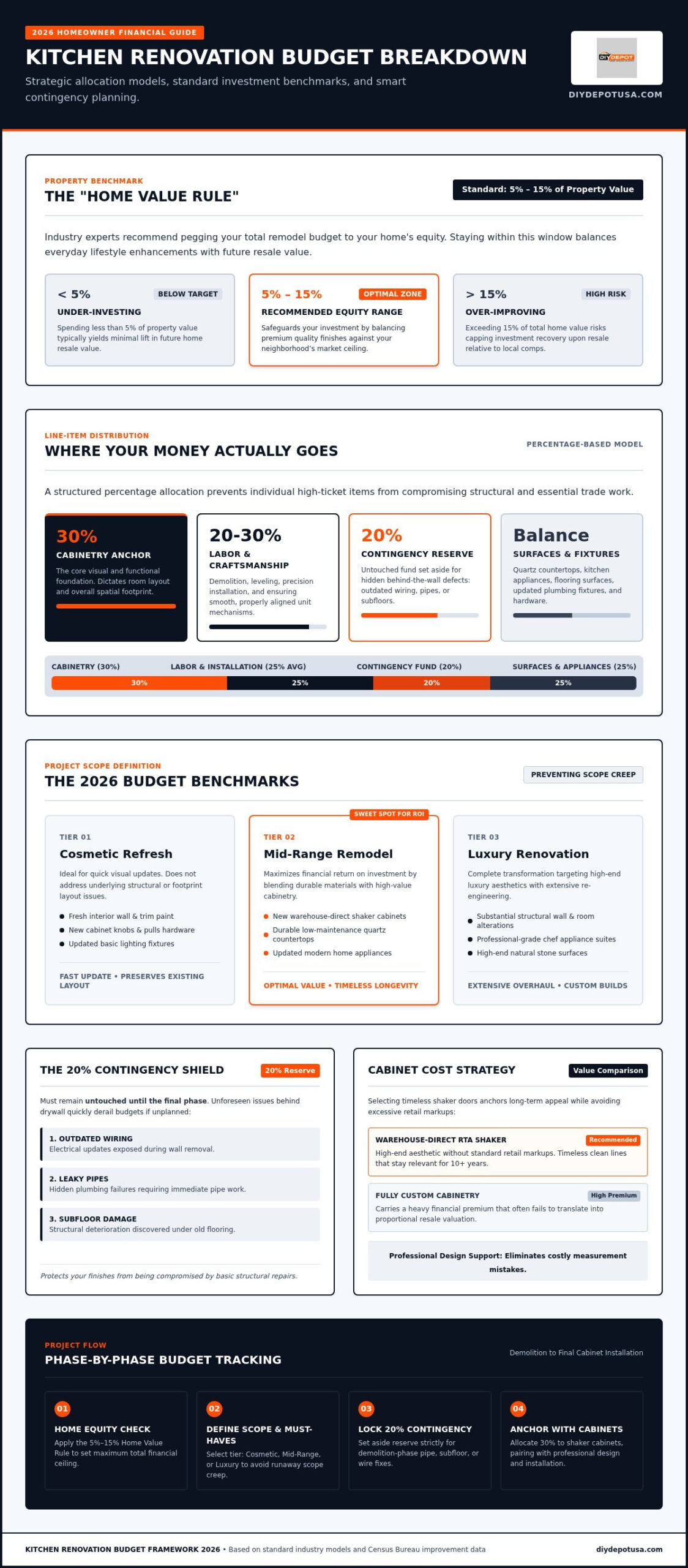
Planning a kitchen remodel starts with a realistic look at your home’s equity. Most industry experts recommend the “Home Value Rule,” which suggests spending between 5% and 15% of your property’s total value on the project. If you spend less than 5%, you might not see a significant lift in resale value. If you exceed 15%, you risk over-improving for your neighborhood. A successful kitchen renovation budget breakdown balances these numbers against your lifestyle needs while keeping future buyers in mind.
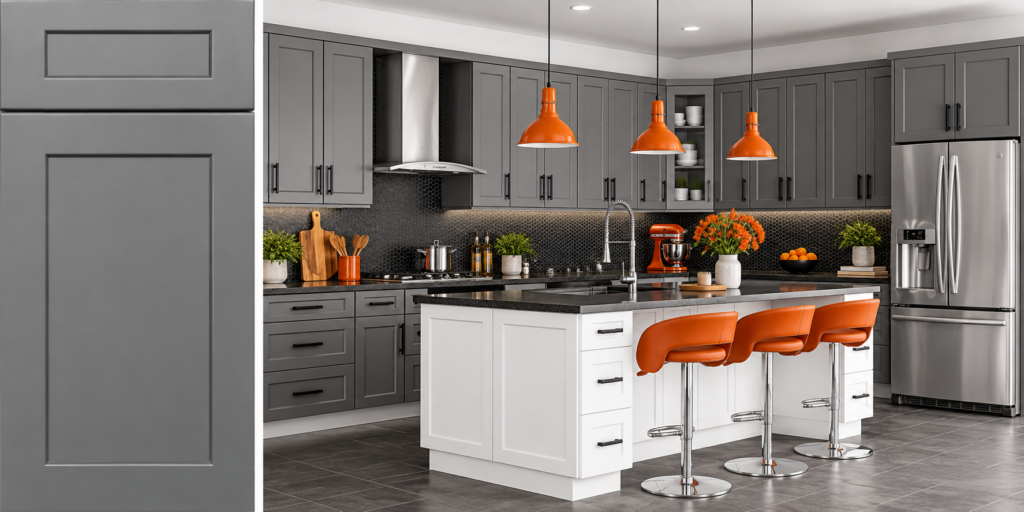
Homeowners are increasingly prioritizing longevity over temporary trends. In 2026, the focus has landed squarely on low-maintenance surfaces and robust kitchen cabinet construction and materials that can handle a busy household. You don’t want a kitchen that looks dated in three years. Choosing timeless shaker-style doors from a reliable source ensures your investment remains relevant for a decade or more.
The 2026 Budget Benchmark
Defining your project scope early prevents “scope creep,” where costs spiral out of control. You generally have three paths to choose from:
- Cosmetic Refresh: Focuses on paint, new hardware, and lighting. It’s a smart move for a quick update but doesn’t solve layout issues.
- Mid-Range Remodel: This is the sweet spot for ROI. It typically includes new shaker cabinets, durable countertops, and updated appliances.
- Luxury Renovation: Involves structural changes, professional-grade appliances, and high-end stone.
It’s vital to identify your “must-haves” versus “nice-to-haves” before the first cabinet is removed. Focusing on high-quality base shaker cabinets provides a solid foundation, allowing you to splurge on a premium faucet or designer lighting later.
Allocating the Contingency Fund
Even the most organized plans can hit a snag once the walls come down. You might discover outdated wiring, leaky pipes, or subfloor damage that requires immediate attention. These surprises can quickly derail your progress if you aren’t prepared. We recommend setting aside 20% of your total budget to cover these unexpected issues. This money should remain untouched until the final phase of the project. A contingency fund is the ultimate insurance against renovation stress. By planning for the unknown, you ensure that a small plumbing surprise doesn’t force you to compromise on the finishes you love.
The Line-Item Breakdown: Where Your Money Actually Goes
A smart kitchen renovation budget breakdown relies on understanding how to slice the pie. Data from the U.S. Census Bureau home improvement survey shows that kitchen remodels are among the most significant investments a homeowner can make. Most experts suggest a percentage-based approach to keep your spending on track. This method ensures that no single category, like a high-end range, drains the funds needed for essential structural work.
Cabinetry usually serves as the 30% anchor for your finances. Labor and installation typically claim another 20% to 30%. The remaining funds cover appliances, countertops, flooring, and hardware. By viewing your budget as a set of categories, you can make informed trade-offs without losing sight of the total cost. This structured view helps you decide where to splurge and where to save.
Cabinetry: The Core Investment
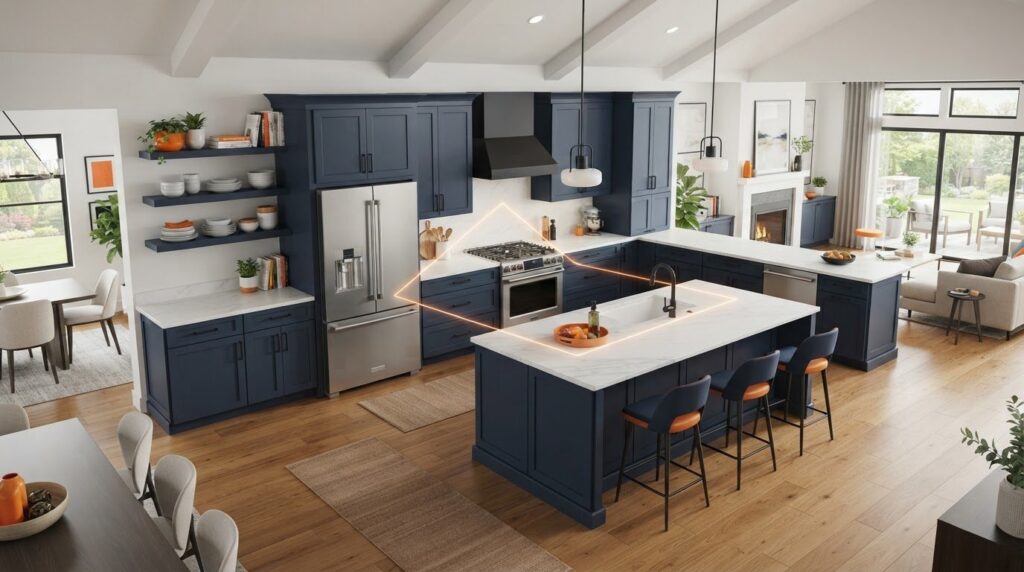
Your cabinets are the visual and functional anchor of the room. The choice between base shaker cabinets and wall cabinets dictates your layout and total cost. Fully custom work often carries a heavy premium that doesn’t always translate to higher resale value. Warehouse-direct shaker styles offer a high-end look without that custom price tag. Shaker doors provide excellent long-term value because their clean lines never go out of style.
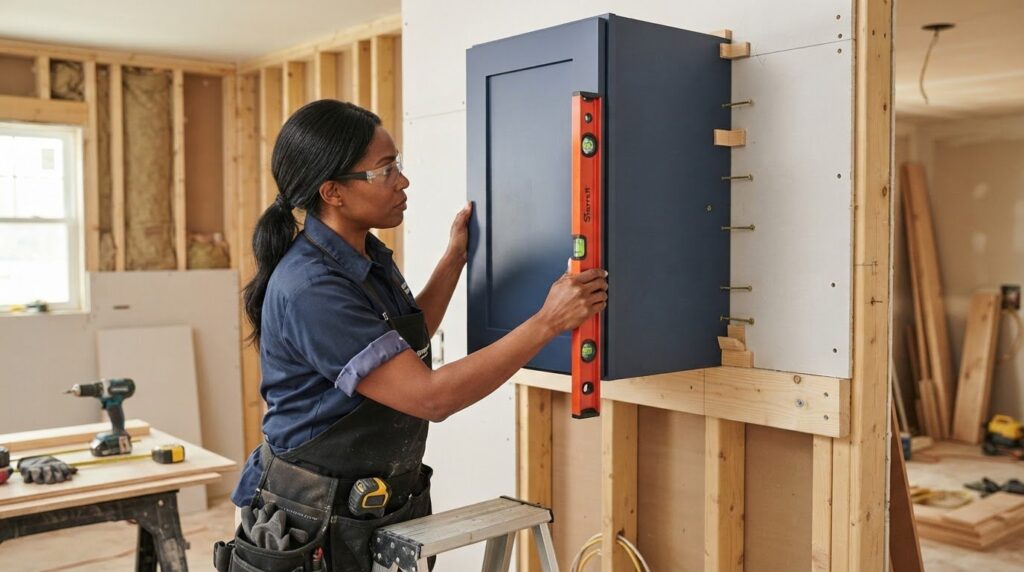
Professional craftsmanship usually takes up a significant portion of your spend. This covers everything from demolition to the precise installation of your units. While you can handle assembly yourself to save money, professional installation ensures your drawers slide perfectly and your surfaces are level. It’s a critical step for protecting your investment.
Countertops and Surfaces
Your choice of surface should complement your cabinetry choice. Quartz is a top choice for 2026 because it’s durable and easy to clean. Granite offers natural beauty, while butcher block adds warmth to a kitchen island. Keep in mind that complex backsplash patterns increase labor hours and material waste. If you’re ready to start planning, you can explore shaker cabinet options to see which finish pairs best with your chosen stone.
Appliances, flooring, and hardware represent the final pieces of your renovation. These elements tie the room together and define your kitchen’s personality. High-quality hardware is a small expense that makes a big impact on how your cabinets feel during daily use. Choosing durable flooring, like luxury vinyl plank or tile, ensures your kitchen can handle heavy foot traffic for years to come.
Solution Comparison: RTA Cabinets vs. Custom Cabinetry Costs
Choosing between ready-to-assemble (RTA) and custom cabinetry is one of the biggest decisions in your kitchen renovation budget breakdown. RTA cabinets arrive in flat packs, ready for you or a professional to put together on-site. This model has exploded in popularity for 2026 because it solves the two biggest renovation headaches: high costs and long wait times. While custom shops might have lead times of several months, warehouse-direct RTA options are often available for immediate delivery. RTA wins on speed.
The “Quality Gap” is a common myth that often leads homeowners to overspend. Modern RTA shaker cabinets use the same high-quality plywood boxes and solid wood doors found in expensive custom lines. By choosing RTA, you aren’t sacrificing durability; you’re simply removing the middleman’s assembly and storage markups. This shift allows you to reallocate your labor budget toward premium features like quartz countertops or professional-grade lighting that truly elevate the room’s value.
The Financial Benefits of RTA Shaker Cabinets
The primary advantage of RTA is the significant savings on shipping and storage. Because the cabinets ship flat, they take up less space and are less prone to damage during transit. This efficiency is passed directly to you in the form of lower prices. If you’re handy with a screwdriver, performing the DIY assembly yourself can slash your installation costs even further. For more details on what to expect, check out our 2026 Guide to Ready to Assemble Kitchen Cabinets.
Custom Cabinetry: When Is It Worth the Premium?
Custom work is typically only necessary if your kitchen has non-standard layouts, such as extremely odd angles or historical architectural features that standard sizes can’t accommodate. You should be prepared for a price multiplier of 2x to 3x compared to warehouse-direct options. For most homes, you can achieve a custom look by using professional design services and clever filler pieces. This strategy bridges the gap between a standard fit and a tailored aesthetic without the massive price tag.
When you’re ready to hire help for the installation, it’s wise to follow the Federal Trade Commission contractor hiring guidelines. Secure multiple estimates and verify that your installer has experience with RTA assembly. If you want to ensure a perfect fit from the start, you can book an appointment with a design expert to map out your space using standard shaker sizes. This proactive step prevents the need for expensive custom modifications later in the project.
Your Step-by-Step Kitchen Remodel Budgeting Checklist
Organizing your project into distinct phases is the only way to stay within your kitchen renovation budget breakdown. Without a roadmap, small decisions on cabinet hardware or crown molding can quickly balloon into major financial setbacks. A structured checklist keeps you accountable and ensures every dollar spent contributes to the final vision. It’s the difference between a project that finishes on time and one that stalls due to poor planning.
Phase 1 is the “Measure Twice” stage. You need to verify every dimension of your room before a single cabinet is ordered. This is also the time to secure professional design support. Designers don’t just make things look pretty; they prevent measurement errors that could cost you thousands in return shipping fees or forced custom modifications. Once your plan is solid, you can move into Phase 2, which involves demolition and structural preparation. This is when you’ll address plumbing and electrical needs before the new materials arrive.
The Planning Checklist
- Set a hard ceiling: Define your absolute maximum spend before you start looking at material samples.
- Secure professional design: Use expert support to map out your layout and prevent ordering errors.
- Verify logistics: Check for free delivery options across California, Las Vegas, and Phoenix to save on heavy shipping costs.
- Establish a timeline: Coordinate your contractor’s schedule with the expected arrival of your materials.
Phase 3 is your sourcing and ordering window. You’ll use your design plan to purchase your cabinets, countertops, and appliances. Finally, Phase 4 covers the installation and final touches. This includes the precise assembly of your units and the installation of those satisfying details like hardware and lighting that tie the whole room together.
The Material Sourcing Checklist
- Cabinet Inventory: Confirm your list of base shaker cabinets, wall cabinets, and utility towers.
- Hardware Selection: Choose finishes like brushed brass or matte black that complement your shaker style.
- Surface Selection: Match your countertops and backsplash materials to your cabinet finish.
- Appliance Package: Ensure your stove, fridge, and dishwasher dimensions match your cabinet openings.
A complete inventory prevents mid-project delays. You can shop our full selection of shaker cabinets to find the exact pieces needed for your layout. Having everything on-site before the contractor arrives is the best way to keep your labor costs from spiraling. Ready to lock in your numbers? Book an appointment with our design team today to ensure your measurements are perfect from day one.
Maximizing Value: The DIY Depot USA Advantage
Getting the most out of your kitchen renovation budget breakdown requires a shift in how you view the supply chain. Traditional big-box retailers often add significant markups to cover their massive overhead, advertising, and retail floor space. You shouldn’t have to pay for their rent. Our warehouse-direct model cuts those costs entirely, providing premium base, wall, and vanity shaker cabinets without the retail inflation. This approach ensures that every dollar you spend goes directly into the quality of your materials rather than a corporation’s bottom line.
Empowerment comes from knowing you have a partner who values your financial success as much as your design. We focus on providing the tools and expertise needed to achieve professional results on a sensible budget. By choosing high-quality shaker cabinets, you’re investing in a timeless aesthetic that consistently ranks high for resale value. It’s a strategy that builds long-term home equity while creating a space you’ll love using every day.
Professional Design as a Budget Tool
Many homeowners view design as an extra expense, but professional guidance is actually a powerful cost-saving tool. A professional layout prevents expensive “oops” moments during installation, such as cabinets that block doorways or drawers that hit the oven handle. Our experts help you maximize every inch of your space, ensuring your base shaker cabinets provide peak storage efficiency. This precision eliminates the need for last-minute modifications or emergency re-orders that can stall your project. To get started with a plan tailored to your home, you can book an appointment with a kitchen designer today.
The Hybrid Renovation Model
The smartest way to balance your budget in 2026 is the hybrid renovation model. This strategy involves choosing where to DIY and where to hire professionals to ensure the best results. For example, many of our customers choose to handle the assembly of their RTA cabinets themselves to reclaim a portion of their labor budget. They then use those savings to hire a professional for the final installation, ensuring everything is perfectly level and secure. This balance allows you to achieve a high-end kitchen for a mid-range price point.
Deciding which tasks to take on can be tricky, so it helps to understand the scope of the work involved. You can read more about this in our guide on DIY vs. Professional Cabinet Installation. Whether you choose to assemble the units yourself or utilize our installation services, our goal is to simplify the process. With free delivery across California, Las Vegas, and Phoenix regions, we help you keep your logistics costs at zero while focusing your funds on the craftsmanship that matters most.
Take the Next Step Toward Your New Kitchen
Mastering your kitchen renovation budget breakdown is the first step toward a successful home transformation. You’ve learned that focusing on high-quality shaker cabinets and utilizing warehouse-direct pricing can save you thousands compared to big-box retail markups. By following a structured phase-by-phase checklist, you can avoid common financial pitfalls and keep your project on schedule. Remember that professional design support is your best defense against costly measurement errors; it ensures every cabinet fits perfectly the first time.
We’re here to support you with free professional design services and warehouse-direct pricing on premium RTA cabinets. Whether you want to handle the assembly yourself or need our expert installation and assembly services, we provide the tools you need for success. You can Download Our Kitchen Planning Guide or Shop Direct Shaker Cabinets to start your journey with confidence. Your dream kitchen is closer than you think, and we’re ready to help you make it a reality.
Frequently Asked Questions
What is the most expensive part of a kitchen renovation?
Cabinetry is typically the most expensive line item in any kitchen remodel. It serves as the visual and functional foundation of the room, often accounting for 30% of your total spend. High-quality base and wall shaker cabinets provide the structural integrity required for heavy countertops and daily use. You can manage this expense by choosing warehouse-direct options that provide premium materials without the retail markups found at big-box stores.
How can I remodel my kitchen on a $15,000 budget?
A $15,000 budget requires a strategic approach focused on high-impact changes. You should prioritize replacing your old units with warehouse-direct shaker cabinets and updating your hardware. Keeping your existing layout prevents expensive plumbing and electrical work. By utilizing a hybrid model where you handle the assembly of RTA cabinets yourself, you can stretch your funds further to include new countertops or a modern backsplash.
Are RTA shaker cabinets as durable as custom cabinets?
Modern RTA shaker cabinets are frequently just as durable as custom-built options. The primary difference lies in the assembly location rather than the material quality. Many warehouse-direct options feature all-plywood boxes and solid wood doors, which are the same standards used in high-end custom shops. Choosing RTA allows you to bypass the labor and storage costs associated with custom builds while still enjoying a kitchen that lasts for decades.
What percentage of my budget should go toward kitchen cabinets?
You should generally allocate about 30% of your total funds toward your cabinetry. This figure is a critical part of your kitchen renovation budget breakdown because cabinets dictate the flow and storage capacity of the room. Investing in quality shaker-style units ensures that this large portion of your budget goes toward a timeless look. This allocation helps you balance other necessary costs like labor, appliances, and durable countertops.
How much does labor typically cost for a kitchen remodel?
Professional labor typically accounts for 20% to 30% of your total project cost. This percentage covers everything from the initial demolition to the precise installation of your new cabinets and appliances. You can reduce this figure by choosing a hybrid model. If you handle the assembly of your units but hire experts for the final installation, you ensure a professional finish while keeping more of your budget for premium materials.
Should I keep my current kitchen layout to save money?
Keeping your current layout is one of the most effective ways to save money during a remodel. Moving gas lines, plumbing, or electrical outlets can add thousands to your labor costs and require expensive permits. If your existing footprint functions well, you can focus your budget on upgrading to high-quality shaker cabinets and modern surfaces. Professional design support can help you optimize your current space without the need for structural changes.
How do I calculate the ROI of a kitchen renovation?
You can calculate your ROI by comparing the total project cost to the projected increase in your home’s resale value. Industry standards suggest that a mid-range remodel typically offers a better return than a high-end luxury renovation. Sticking to the “Home Value Rule” by spending 5% to 15% of your property’s value helps ensure you don’t over-improve. Timeless choices, like shaker-style cabinets, often appeal to the widest range of future buyers.
What are the hidden costs of a kitchen remodel I should look out for?
Hidden costs often include structural repairs discovered after demolition, such as subfloor damage or outdated wiring behind the walls. You should also watch for shipping fees and the cost of temporary meal solutions while your kitchen is out of commission. Setting aside a 20% contingency fund is essential for a smooth kitchen renovation budget breakdown. This safety net ensures that unexpected plumbing or electrical surprises don’t force you to compromise on your finishes.