

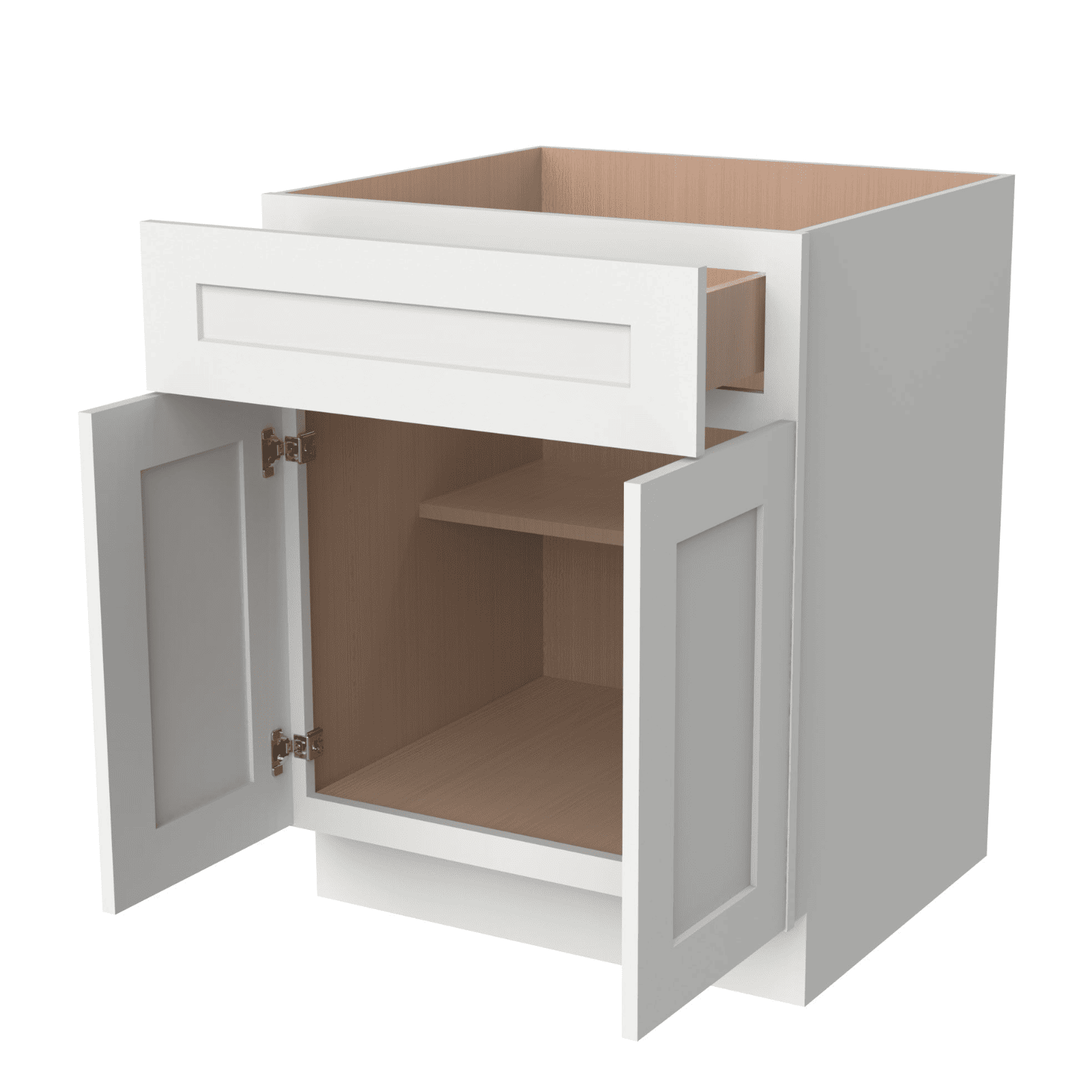
One of the first questions homeowners ask when planning a kitchen remodel is simple:
“How much are cabinets going to cost me?”
It seems like it should have a straightforward answer—but it rarely does.
Some people get quotes that feel surprisingly low. Others are shocked at how quickly costs escalate. And many don’t realize until later that what they were quoted didn’t include everything they actually needed.
Many homeowners in Bakersfield and surrounding areas eventually realize that cabinet pricing isn’t just about the cabinets themselves—it’s about the decisions made throughout the process.
Why Cabinet Pricing Varies So Much
Cabinet pricing can vary widely depending on several key factors.
These include:
- Material quality
- Cabinet construction type
- Customization level
- Size and layout of the kitchen
- Installation complexity
Two kitchens that look similar on the surface can have very different costs based on these variables.
As demand continues growing across Bakersfield and expanding into areas like Fresno, Nevada, and Arizona, pricing can also fluctuate based on availability and supply.
The Three Main Cabinet Price Tiers
Most cabinets fall into three general pricing categories.
Stock Cabinets
These are pre-built and mass-produced.
- Lower cost
- Limited customization
- Faster availability
They’re a good option for budget-conscious projects, but may not offer the flexibility needed for unique layouts.
Semi-Custom Cabinets
These offer more flexibility while still maintaining controlled costs.
- Moderate pricing
- Some customization options
- Balanced lead times
This is where many homeowners find the best balance between cost and functionality.
Custom Cabinets
Fully customized to your kitchen.
- Highest cost
- Maximum flexibility
- Longer timelines
While appealing, fully custom cabinets often exceed budget expectations and may not be necessary for most remodels.
The Hidden Costs Most People Miss
One of the biggest mistakes homeowners make is focusing only on the base cabinet price.
But there are several additional costs that can significantly impact the total.
Installation Costs
Labor for installation can vary depending on the complexity of your kitchen layout.
Hardware and Accessories
Handles, hinges, and internal storage features are often priced separately.
Design Changes
Last-minute changes to layout or materials can increase costs quickly.
Delivery and Logistics
Shipping and handling costs can add up, especially if cabinets are coming from outside your region.
This is why working with a local kitchen cabinets Bakersfield supplier helps reduce unexpected costs and keeps the process more predictable.
Why “Cheap Cabinets” Often Cost More
Lower-cost cabinets can be tempting—but they often come with trade-offs.
- Lower durability
- Limited support
- Higher likelihood of issues during installation
These factors can lead to additional costs down the line, including repairs, replacements, or rework.
What seems like a cost-saving decision at first can become more expensive over time.
How Supply and Demand Impacts Pricing
Cabinet pricing is also influenced by broader market conditions.
As demand increases and supply chains fluctuate, pricing can become less predictable.
Homeowners across Bakersfield—and in expanding markets like Fresno, Nevada, and Arizona—are seeing:
- Changes in material availability
- Longer lead times
- Variations in pricing depending on sourcing
Planning ahead and working with a reliable cabinet supplier helps navigate these changes more effectively.
The Role of Design in Controlling Costs
One of the most effective ways to control cabinet costs is through proper design.
A well-planned layout can:
- Maximize storage without unnecessary additions
- Reduce material waste
- Improve installation efficiency
Using tools that allow you to design your kitchen before purchasing helps ensure that everything is aligned with your budget and expectations.
How to Stay Within Budget Without Sacrificing Quality
Balancing cost and quality is one of the biggest challenges in a kitchen remodel.
Some practical ways to manage this include:
- Choosing semi-custom options instead of fully custom
- Finalizing your layout early
- Avoiding last-minute upgrades
- Working with experienced suppliers
These steps help prevent budget overruns while still achieving a high-quality result.
Why Location Matters for Cost Efficiency
Working with a local supplier offers several advantages.
- Reduced delivery costs
- Faster turnaround times
- Better communication and support
For homeowners in Bakersfield, this becomes especially important as demand grows and projects expand into nearby regions.
Choosing a supplier familiar with the area—and expanding into markets like Fresno and beyond—helps streamline the entire process.
Making the Right Cost Decision
Cabinet cost is not just about finding the lowest price—it’s about finding the right balance between quality, functionality, and long-term value.
The decisions made early in the process have the biggest impact on the final result.
If you’re planning a remodel in Bakersfield or surrounding areas, taking the time to understand your options can help you avoid unnecessary costs and delays.
You can start by visualizing your layout and choices using tools that let you design your kitchen or move forward with a tailored estimate by choosing to get a quote.
Many homeowners only realize where costs come from after they’ve already increased—but understanding them early makes all the difference.
FAQ
How much do kitchen cabinets cost?
Costs vary widely depending on materials, customization, and kitchen size.
Are custom cabinets worth it?
They can be, but many homeowners find semi-custom options provide better value.
What are the hidden costs of cabinets?
Installation, hardware, delivery, and design changes are common additional expenses.
Do you serve areas outside Bakersfield?
Yes, services are expanding into Fresno, Nevada, and Arizona.
How can I stay within budget?
Plan early, choose the right cabinet type, and avoid last-minute changes.