

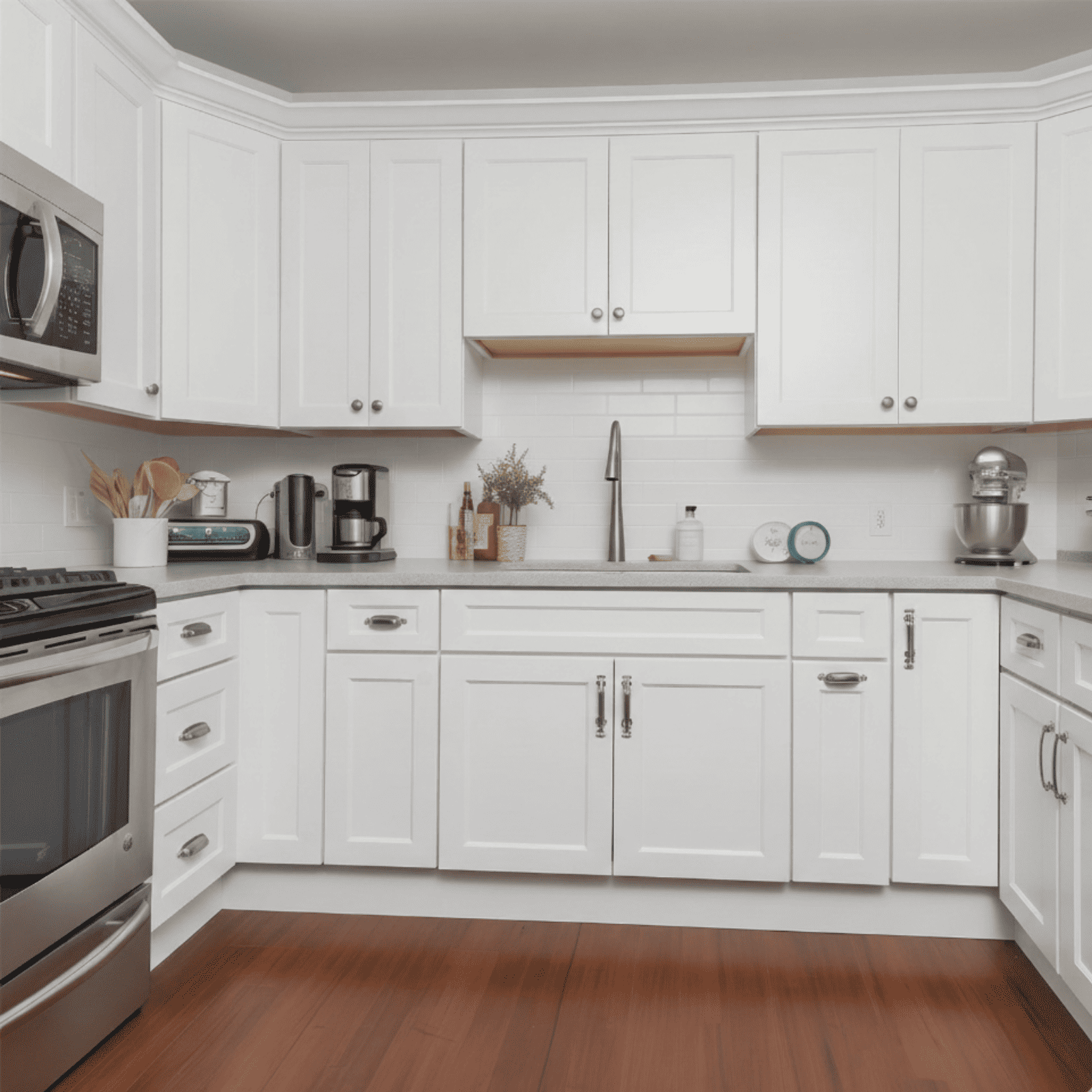
Most kitchen remodels don’t fall apart because of one major decision.
They fall apart because of small decisions made early—before the homeowner fully understands how everything connects.
Choosing cabinets too quickly. Not thinking through layout. Prioritizing price over quality. Assuming everything will “just work itself out.”
At first, everything feels fine. The project moves forward.
But once installation begins, those early decisions start to show up in real, tangible ways—gaps in layout, cabinets that don’t function properly, delays that ripple through the entire timeline.
Many homeowners in Bakersfield and surrounding areas eventually realize that the most expensive cabinet mistakes aren’t obvious at the beginning—they become clear when it’s too late to easily fix them.
Mistake #1: Choosing Cabinets Based Only on Price
This is easily the most common mistake—and the one that leads to the most regret.
A homeowner compares quotes and sees a significant price difference. One option is thousands cheaper, and it feels like a smart financial decision.
But in real remodels, this decision often shows up later in ways that aren’t immediately obvious:
- Cabinet doors slightly misaligned after installation
- Finishes that look different in full lighting than in samples
- Materials that feel lighter or less durable once installed
- Hardware that loosens or wears faster
What seemed like a cost-saving decision becomes something you notice every single day in your kitchen.
In some cases, homeowners end up replacing or repairing cabinets far sooner than expected—turning a “cheap” option into a more expensive one long-term.
Working with a reliable kitchen cabinets Bakersfield supplier helps ensure you’re not just comparing price—but actual value and durability.
Mistake #2: Not Planning the Layout in Real-Life Terms
Most homeowners think about layout visually—but not functionally.
On paper, everything looks good. The cabinets fit. The spacing seems right. But once installed, real-world use reveals issues.
This is where layout mistakes show up:
- Cabinet doors hitting appliances when opened
- Drawers that can’t fully extend due to tight spacing
- Corner cabinets that waste usable storage
- Walkways that feel cramped when multiple people are in the kitchen
These aren’t theoretical problems—they’re things homeowners deal with daily after the remodel is complete.
Fixing them after installation is difficult and expensive, often requiring partial removal or redesign.
Using tools that allow you to design your kitchen helps you visualize how the space actually functions—not just how it looks.
Mistake #3: Underestimating Timeline Dependencies
Cabinets are not just one step in the process—they are a central dependency.
When cabinets are delayed, everything else is delayed:
- Countertop installation
- Appliance fitting
- Flooring adjustments
- Final finishing work
A common scenario:
A homeowner schedules contractors based on an expected cabinet arrival date. The cabinets are delayed by even one week, and suddenly:
- Contractors have to reschedule
- Labor costs increase
- The project stretches longer than expected
As demand continues to grow in Bakersfield and expands into areas like Fresno and surrounding states, lead times can become less predictable.
Planning with buffer time—and working with a dependable supplier—reduces this risk significantly.
Mistake #4: Making Changes Mid-Project
This is where costs can escalate quickly.
A homeowner starts the project with one idea, then sees new options or second-guesses earlier decisions.
Changes are made after orders are placed or production has started.
In real situations, this leads to:
- Reordering materials
- Delayed timelines
- Additional labor costs
- Design inconsistencies
Even small changes can ripple through the entire project.
This usually happens when decisions weren’t fully finalized at the beginning.
Taking time upfront to fully plan—and visualize your layout—prevents these costly mid-project adjustments.
Mistake #5: Prioritizing Style Over Daily Function
A kitchen can look incredible and still be frustrating to use.
This happens when decisions are made based on appearance alone, without considering how the space is used daily.
Real examples include:
- Cabinets placed too high or too low for regular use
- Lack of accessible storage for frequently used items
- Overuse of decorative elements that limit functionality
- Insufficient counter space due to cabinet placement
These issues don’t show up in photos—they show up in everyday use.
Balancing design with practicality ensures that your kitchen works as well as it looks.
Mistake #6: Working With the Wrong Supplier
Not all cabinet suppliers operate the same way.
Choosing the wrong one often results in:
- Miscommunication about timelines
- Inconsistent product quality
- Limited support during installation
- Difficulty resolving issues
A common scenario:
A homeowner places an order, receives limited updates, and then finds out about delays or mismatches too late to adjust.
Working with an experienced cabinet supplier helps ensure clear communication, consistent quality, and a smoother overall process.
Mistake #7: Not Thinking Beyond the Immediate Remodel
Most homeowners focus on completing the current project—but not how the kitchen will function long-term.
This can lead to:
- Materials that wear faster than expected
- Layouts that don’t adapt to future needs
- Limited flexibility for updates or changes
As families grow or usage patterns change, these limitations become more noticeable.
Planning with long-term use in mind creates a kitchen that continues to work well beyond the initial remodel.
Why These Mistakes Are More Expensive Today
Kitchen remodels have become more complex than they used to be.
Material availability fluctuates. Demand is increasing across Bakersfield and expanding into nearby regions like Fresno, Nevada, and Arizona. Supply timelines are less predictable.
This means mistakes that might have been manageable before now carry greater consequences:
- Longer delays
- Higher replacement costs
- More coordination challenges
The margin for error is smaller—and the impact is bigger.
How to Avoid These Cabinet Mistakes
Avoiding these issues doesn’t require perfection—it requires structure.
- Finalize your layout before ordering
- Prioritize quality alongside cost
- Confirm timelines early
- Avoid making changes mid-project
- Work with a reliable, experienced supplier
These steps don’t just reduce mistakes—they make the entire remodel process smoother and more predictable.
Taking Control of Your Kitchen Remodel
Kitchen cabinets are one of the most important parts of your remodel—and one of the easiest areas to get wrong without proper planning.
But when approached correctly, they can also be one of the most rewarding.
If you’re planning a kitchen remodel in Bakersfield or expanding into nearby areas, taking a structured approach early can prevent costly issues later.
You can start by mapping out your layout and options using tools that let you design your kitchen or move forward with a personalized estimate by choosing to get a quote.
Many homeowners only recognize these mistakes after they happen—but avoiding them early makes all the difference.
FAQ
What is the most common kitchen cabinet mistake?
Choosing cabinets based only on price without considering quality and long-term use.
How do layout mistakes affect a kitchen?
They impact daily usability, storage, and overall comfort in the space.
Do you serve areas outside Bakersfield?
Yes, services are expanding into Fresno, Nevada, and Arizona.
Why do cabinet projects get delayed?
Delays often come from manufacturing timelines, shipping issues, or mid-project changes.
How can I avoid costly cabinet mistakes?
Plan thoroughly, finalize decisions early, and work with a reliable supplier.