

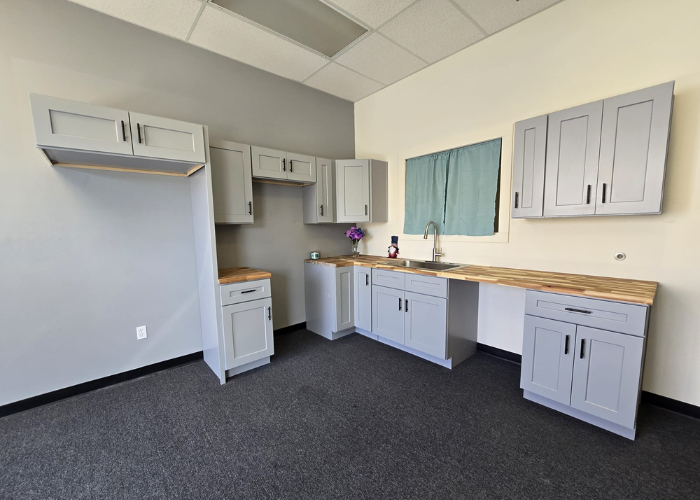
Most kitchen cabinet projects don’t fail because of the cabinets themselves. They fail because of decisions made early—before measurements are finalized, before layouts are validated, and before the full scope is understood. This applies whether you’re upgrading a home in Bakersfield, redesigning a kitchen in Fresno, or managing renovations in Las Vegas.
If you’re researching kitchen cabinets Bakersfield CA options, you’re likely comparing styles, pricing, and timelines. But what many homeowners and contractors overlook is how easily cabinet projects go off track without a structured process. These issues are consistent across California, Arizona, and Nevada, and they tend to show up regardless of project size or budget.
Understanding where projects typically break down is the key to avoiding delays, cost overruns, and long-term frustration.
Where Kitchen Cabinet Projects Start to Break Down
Layout Decisions Made Too Late
One of the most common problems is treating layout as an afterthought instead of the foundation.
Homeowners often:
- Choose cabinets before finalizing layout
- Try to force cabinet sizes into existing spaces
- Overlook workflow between appliances
This leads to:
- Inefficient storage
- Poor movement through the kitchen
- Wasted or unusable space
Across markets like Fresno and Las Vegas, where home layouts can vary significantly, this mistake becomes even more costly.
Designing for Looks Instead of Use
Cabinet selection is often driven by:
- Color trends
- Door styles
- Visual appeal
But kitchens are functional spaces first.
When design ignores function:
- Storage becomes inconsistent
- Daily use becomes frustrating
- Counter space gets compromised
This is one of the most common complaints homeowners report after installation, regardless of whether the project is in Bakersfield or expanding markets in Nevada.
Misunderstanding Cabinet Options
Many problems come from not fully understanding what’s being purchased.
Common misunderstandings include:
- Material differences
- Assembly types (RTA vs pre-assembled)
- Standard vs custom sizing
What appears similar online can perform very differently once installed.
Working with an experienced supplier like DIY Depot USA helps clarify these differences before they become problems.
Why These Problems Happen Across All Locations
No Structured Design Process
Across California, Arizona, and Nevada, many cabinet projects begin without a defined system.
This results in:
- Incorrect measurements
- Poor cabinet alignment
- Layout inefficiencies
A structured design process ensures everything is aligned before cabinets are ordered.
One-Size-Fits-All Cabinet Solutions
Many homeowners rely on standard cabinet configurations that don’t fit their space.
This approach:
- Limits flexibility
- Creates awkward layouts
- Reduces long-term usability
In areas like Fresno and Las Vegas, where home styles vary, this becomes a major issue.
Rushed Timelines and Decisions
Tight schedules—especially in renovations or investment properties—lead to rushed decisions.
This increases the likelihood of:
- Ordering incorrect cabinet sizes
- Skipping layout validation
- Choosing materials that don’t match real usage
The faster the decision, the higher the risk.
The Real Impact of Cabinet Mistakes
Project Delays That Affect Everything
Cabinets impact:
- Countertops
- Plumbing
- Electrical work
When cabinets are wrong, everything else gets delayed.
Long-Term Frustration
Even after installation, poor planning leads to:
- Limited storage
- Hard-to-reach cabinets
- Inefficient workflow
These problems don’t go away—they compound over time.
Reduced Property Appeal
Kitchen cabinets heavily influence how a space is perceived.
Poor cabinet execution can:
- Make kitchens feel outdated
- Reduce buyer interest
- Lower perceived home value
This applies across all service areas, from Bakersfield to Nevada markets.
How to Avoid These Problems
Start With Layout First
Define:
- Storage priorities
- Appliance placement
- Workflow zones
This ensures cabinets are built around how the kitchen will actually be used.
Understand What You’re Buying
Before ordering, clarify:
- Materials
- Construction type
- Assembly requirements
This prevents surprises during installation.
Work With a Supplier That Covers Multiple Markets
A supplier experienced across California, Arizona, and Nevada can:
- Adapt to different layouts
- Provide better recommendations
- Reduce errors early
Plan for the Full Project Scope
A complete budget includes:
- Cabinets
- Installation
- Hardware
- Design support
- Logistics
Planning holistically prevents mid-project compromises.
Why Multi-Location Experience Matters
DIY Depot USA supports homeowners and contractors across Bakersfield,Fresno, and Las Vegas. This allows for:
- Better adaptability across layouts
- More consistent project outcomes
- Flexible cabinet solutions
This approach is especially valuable for investors, builders, and homeowners working across multiple regions.
Businesses often mention that the difference between a smooth cabinet project and a stressful one comes down to planning, not product selection.
Next Steps
If you’re planning a kitchen cabinet project, starting with the right layout and structure will prevent most of the common issues outlined above.
Use this tool to map your kitchen and make informed decisions before ordering:
Start designing your kitchen
FAQ
What is the most common mistake in cabinet projects?
Starting with cabinet selection instead of layout planning is the most common issue.
Should I design my kitchen before buying cabinets?
Yes, layout and workflow should always come first.
Do cabinet problems vary by location?
No, the same issues appear across California, Arizona, and Nevada.
How can I avoid cabinet installation delays?
Plan thoroughly, confirm measurements, and avoid rushed decisions.